| HS Code | 924965 |
| Product Name | Hydrogenated C5 Hydrocarbon Resin |
| Appearance | Water-white to light yellow solid flakes |
| Color Gardner | ≤1 |
| Softening Point Ring And Ball | 80-120 °C |
| Melt Viscosity At 160 Degc | 200-1000 mPa·s |
| Acid Value | <1 mg KOH/g |
| Iodine Value | <10 g I2/100g |
| Specific Gravity | 0.98-1.02 |
| Flash Point Coc | >200 °C |
| Number Average Molecular Weight | 400-800 |
| Refractive Index | 1.49-1.52 |
| Glass Transition Temperature | 40-70 °C |
As an accredited Hydrogenated C5 Hydrocarbon Resin factory, we enforce strict quality protocols—every batch undergoes rigorous testing to ensure consistent efficacy and safety standards.
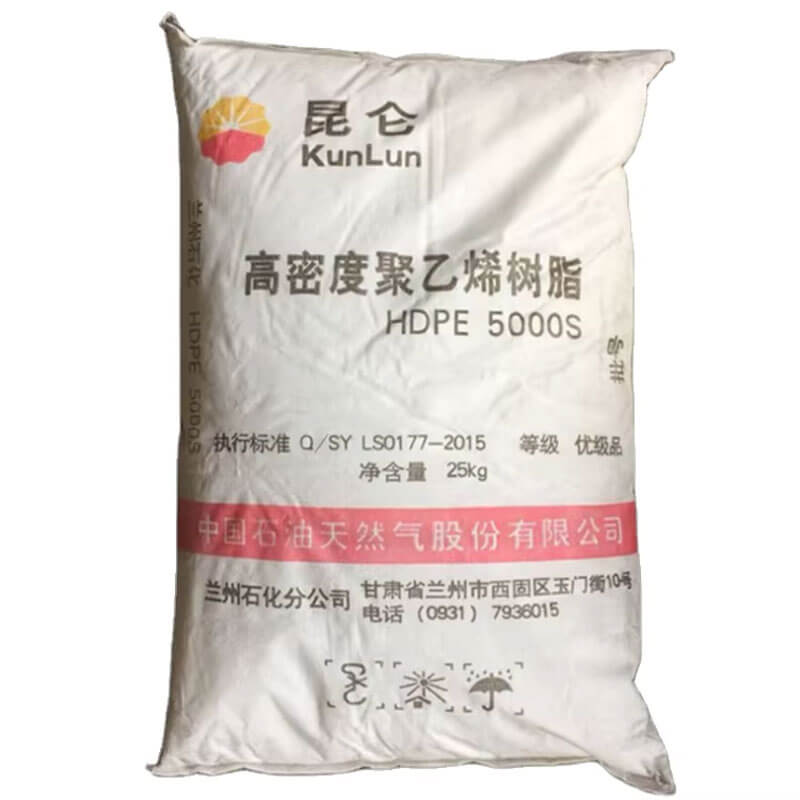
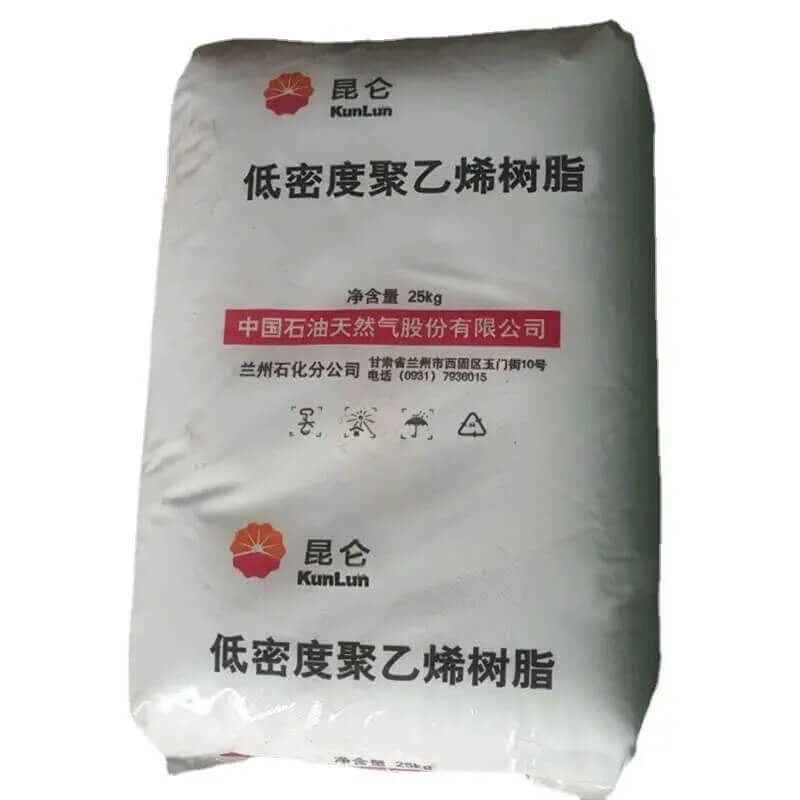
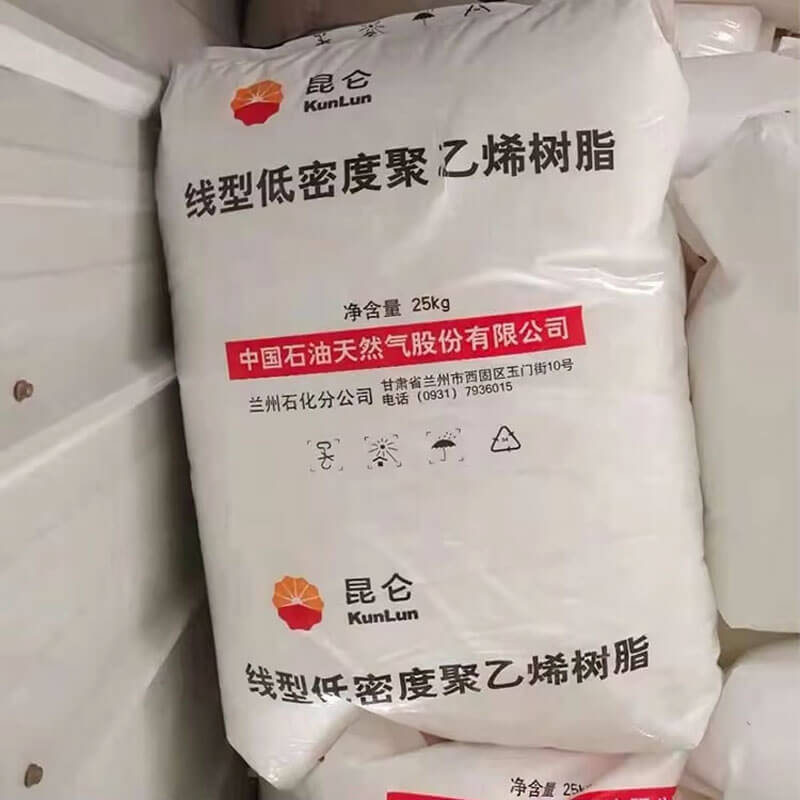
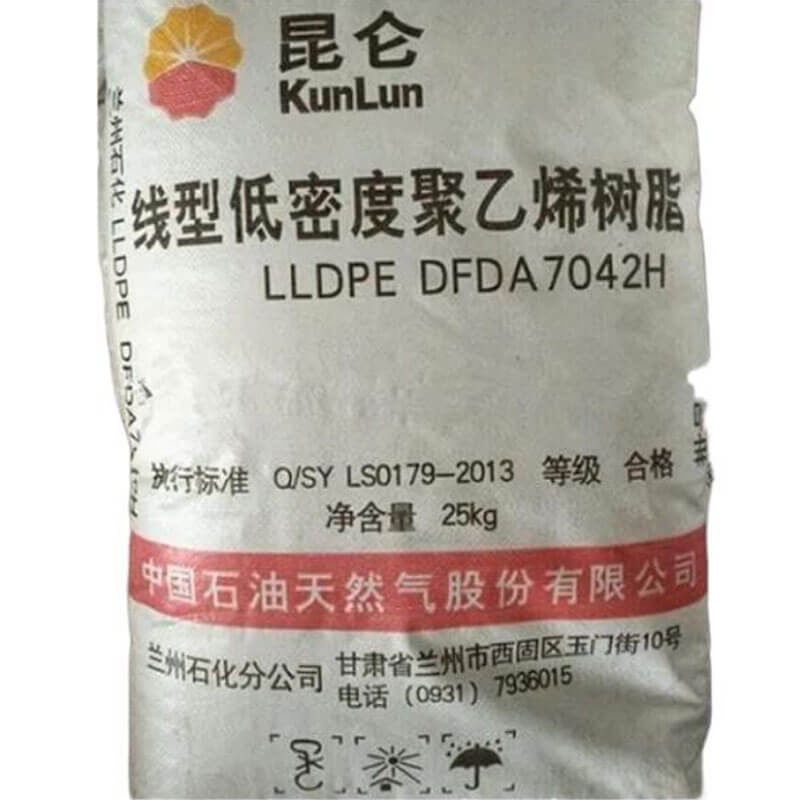
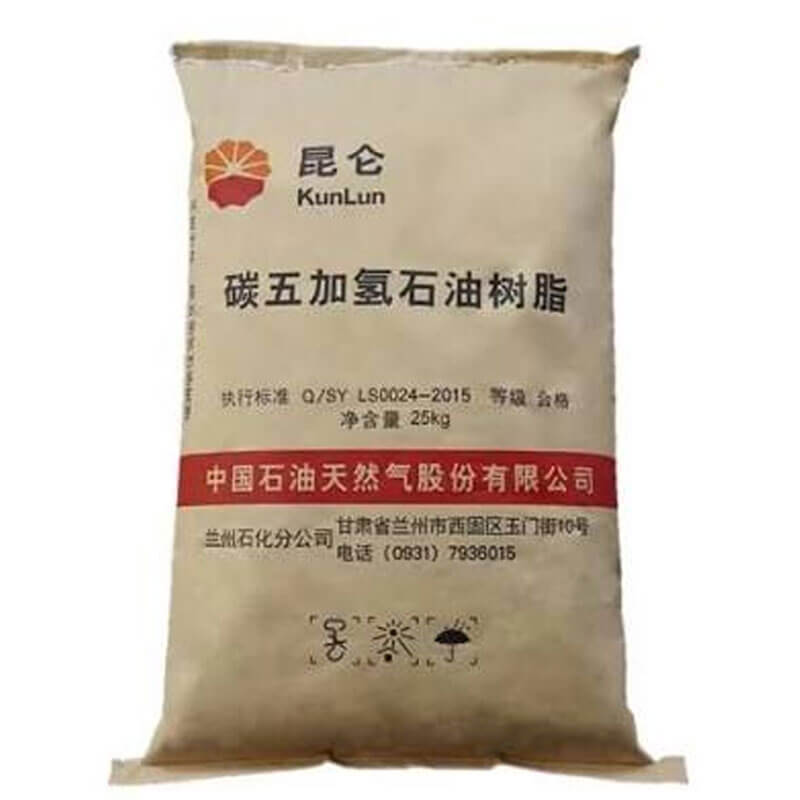
| Packing | Hydrogenated C5 hydrocarbon resin supplied as 25 kg multi-wall paper bags, palletized and wrapped for safe transport and storage. |
| Container Loading (20′ FCL) | Load 20′ FCL with palletized bags of Hydrogenated C5 Hydrocarbon Resin, securely braced, avoiding damage and contamination. |
| Shipping | Hydrogenated C5 hydrocarbon resin is typically shipped as solid pastilles, flakes, or pellets in multi-layer bags, FIBC bulk bags, or heated ISO tankers for molten form. It is considered non-hazardous but should be kept dry, away from heat sources and ignition, and protected from contamination during transport. |
| Storage | Store Hydrogenated C5 Hydrocarbon Resin in a cool, dry, well-ventilated area away from direct sunlight, heat sources, and open flames. Keep containers tightly sealed to prevent moisture ingress and contamination. Maintain stable temperatures below 40°C, avoiding drastic fluctuations. Use proper grounding and handling equipment to prevent static discharge. Follow local regulations. |
| Shelf Life | Shelf life is typically two years when stored in sealed containers away from heat, moisture, and direct sunlight. |
Hydrogenated C5 hydrocarbon resin in hot-melt pressure-sensitive adhesive formulations is selected primarily where low-colour tackification and thermal stability are required on slot-die coating lines holding adhesive at 160–180 °C for prolonged periods. Commercial hydrogenated C5 grades used in this segment typically exhibit ring-and-ball softening points between 96 °C and 106 °C under ASTM E28 and APHA colour below 50 Hazen under ASTM D1209, with melt viscosity at 180 °C reported under ASTM D3236. In SIS/SBS-based label and tape formulations, the resin is incorporated at 25–45 wt% of the total compound. Below 25 wt%, loop tack measured by ASTM D6195 frequently falls below target on coated paper label stock, while above 45 wt%, shear adhesion failure temperature determined by ASTM D4498 declines as the elastic network is diluted by the tackifier phase. The production process uses a vertical double-planetary mixer or high-shear rotor-stator mixer at 155–170 °C under nitrogen blanket, followed by a gear pump and slot-die coater running at 150–170 °C with coat weights from 18 g/m² to 35 g/m² and web speeds of 120–250 m/min. On production lines, batch-to-batch variation in melt viscosity at 180 °C measured by ASTM D3236 is typically held within ±10% of the reference value; larger deviation causes coating-weight drift, edge bleed, or pump cavitation above 180 °C. Terminal products include paper label stocks, polypropylene carton-sealing tape, freezer-grade label film, and high-speed direct thermal labels. Regulatory documentation for indirect food-contact label applications commonly references FDA 21 CFR 175.125, while European market access requires REACH EC 1907/2006 substance inventory compliance; migration testing on the finished article remains the determining requirement.
Migration kinetics of low-molecular-weight tackifier fractions in the adhesive matrix influences label staining and liner release stability. Oil bleed is evaluated by aging the laminated construction at 60 °C for 7 days under 5 kPa contact pressure; visible staining on coated paper or facestock indicates excessive oligomer migration from the compounded adhesive. Hydrogenation reduces residual unsaturation and lowers the concentration of reactive oligomers, but the specific molecular weight distribution of the resin must match the SIS/SBS midblock length to avoid phase separation during high-speed converting. Published data for specific SIS/hydrogenated C5 systems is limited and should be generated by formulators using their own adhesive constructions.
In EVA-based packaging hot melts, replacing rosin ester with hydrogenated C5 resin at 10–30 wt% of the total formulation reduces APHA colour after 72 h at 180 °C but narrows the viscosity window for wheel and nozzle application. The process involves melt blending EVA containing 28 wt% vinyl acetate with wax, antioxidant, and tackifier in a continuous mixer, followed by transfer to a heated adhesive supply system that delivers the melt at 160–180 °C to a wheel pot or slot nozzle on a case sealer. Melt viscosity measured by ASTM D3236 is usually maintained between 800 mPa·s and 2,500 mPa·s at 180 °C; below 800 mPa·s, adhesive penetration into corrugated board increases, and above 2,500 mPa·s, fibre tear is reduced because the molten adhesive cannot wet the board surface within the compression time. When hydrogenated C5 resin exceeds 30 wt%, open time shortens and the adhesive becomes sensitive to dwell time on high-speed case sealers; below 10 wt%, adhesion to recycled corrugated board may fall below the fibre-tear threshold at 5 °C. Terminal products include regular slotted containers, trays, bookbinding, and paperboard cartons. Compliance for food packaging is commonly confirmed under FDA 21 CFR 175.105 as an adhesive, with REACH EC 1907/2006 and national food-contact legislation requiring completed migration testing on the final carton.
Sprayable APAO-based nonwoven construction adhesives exhibit measurable changes in air-assisted spiral spray stability when hydrogenated C5 resin is present at 30–55 wt%. The formulation is blended in a hot-melt drum unloader at 150–170 °C and delivered through a gear pump to a spiral spray applicator with heated air at 0.05–0.15 MPa; melt viscosity at 150 °C measured by ASTM D3236 is used to set pump pressure and nozzle temperature. In production-scale lines, increasing resin content within the 30–55 wt% range lowers melt viscosity and permits a reduction in application temperature, but exceeding 55 wt% increases bleed-through on 12 g/m² polypropylene nonwoven and reduces peel strength on polyethylene backsheet, especially at line speeds above 400 m/min. Below 30 wt%, the adhesive may show insufficient open time for multi-line lamination and higher application temperature becomes necessary to maintain pattern stability. Terminal products include diapers, feminine hygiene pads, adult incontinence articles, and medical nonwoven laminates. Regulatory documentation focuses on REACH EC 1907/2006, absence of intentionally added SVHC above 0.1 wt%, and final laminate testing under ISO 9073 for tensile, elongation, and crease recovery; if the adhesive is used in a medical device laminate, ISO 10993-5 biocompatibility may be evaluated on the finished nonwoven structure.
Process audits on multi-line nonwoven lines show that viscosity drift in the drum unloader is the main cause of nozzle clogging. Holding the hydrogenated C5 resin at 150 °C for 72 h should change ASTM D3236 viscosity by less than 10%; larger drift indicates thermal degradation or phase separation and requires reducing hold temperature or changing the resin grade. Air-assisted spiral spray pattern width is also sensitive to resin content; at constant pump speed, a 5 wt% increase in resin can reduce pattern width by 2–4 mm at a 200 mm nozzle-to-substrate distance, which changes coverage and bond strength.
When hydrogenated C5 resin is introduced into a butyl rubber sealant compound, the first observable change on a 100-L planetary mixer is a reduction in motor torque after the tackifier reaches melt temperature, followed by a measurable drop in extrusion pressure at the ribbon die. Addition rates of 20–40 phr relative to butyl rubber are typical for insulating glass edge seals; below 20 phr, ribbon extrusion becomes discontinuous as compound viscosity rises under low-shear conditions, and above 40 phr, moisture vapour transmission rate measured by ASTM E96/E96M increases enough to compromise edge-seal durability in dual-seal insulating glass. The process involves mastication of butyl rubber at 110–130 °C, addition of polyisobutylene and filler, then gradual addition of hydrogenated C5 resin at 120–140 °C, followed by vacuum deaeration at a pressure below 10 kPa and extrusion through a gear pump into a hot-applied sealant gun or ribbon die. Terminal products include dual-seal insulating glass units, butyl tape, construction glazing tapes, and automotive body sealing strips. Compliance statements for insulating glass commonly reference EN 1279-4:2018 for edge seal durability and ASTM E96/E96M for moisture vapour transmission rate; production batches are also screened against REACH EC 1907/2006 and RoHS 2011/65/EU where electro-optical sealed components are involved.
Heat-seal strength in polyethylene-rich cast films changes non-linearly when hydrogenated C5 resin is added at 5–20 wt% of the polyolefin layer. The process uses a single-screw extruder with a barrier screw and L/D of 30:1, melt temperature of 210–230 °C, and a chilled cast roll at 18–22 °C to freeze the amorphous phase and limit haze development. At 5–10 wt%, the resin acts as a tackifying modifier for LLDPE and polypropylene copolymers, raising heat-seal strength measured by ASTM F2029 after 0.5 s dwell without increasing film blocking; above 15 wt%, screw slip may be observed because the resin lowers melt viscosity, and seal initiation temperature may decrease while haze measured by ASTM D1003 increases in thick-gauge film. Pre-dispersion of the resin with a portion of the polyolefin before the main feed is recommended to avoid local concentration gradients that create surface tack and winding difficulties on the cast line. Final pellet melt mass-flow rate is checked under ISO 1133-1:2022 at 190 °C/2.16 kg. Terminal products include flexible packaging lamination film, overwrap film, and form-fill-seal pouches. Food-contact compliance for polyolefin film is assessed under EU 10/2011 and FDA 21 CFR 177.1520 for the olefin polymer matrix; the specific hydrogenated C5 resin grade must have its own food-contact authorization or FCN, with overall migration limits and specific migration testing performed on the finished film.
For SEBS/PP compounds, the twin-screw compounding sequence determines whether hydrogenated C5 resin at 10–40 phr acts primarily as a melt viscosity depressant or as a surface-tack modifier. The process is run on a co-rotating twin-screw extruder with L/D 40:1, barrel temperatures of 190–210 °C, and a side feed for mineral oil; liquid oil is injected after the resin melting zone to avoid phase inversion. When the resin is pre-blended with SEBS before PP addition, tensile strength measured by ISO 37:2017 is maintained within a narrower range across the 10–40 phr gradient than when resin is added by side feed, indicating better dispersion and reduced PP phase dilution. Above 30 phr, hardness measured by ISO 868:2003 decreases by 5–10 Shore A points and surface tack measured by ASTM D2979 increases, which may be unacceptable for automotive interior parts requiring a matte finish; below 10 phr, the effect on melt viscosity is often within normal batch variation in high-mineral-oil TPE compounds. Terminal products include automotive weather seals, consumer grips, appliance feet, and soft-touch handles. Compliance for automotive and electrical applications commonly includes RoHS 2011/65/EU, REACH EC 1907/2006, and OEM specification documents that refer to ISO 37:2017 and ISO 868:2003 for mechanical properties.
On twin-screw lines, the resin is preferably fed into the main feed throat when in flake form; when molten resin is injected downstream, local viscosity differences can produce melt temperature spikes of more than 10 °C at the die. Torque readings from a 40:1 L/D twin-screw extruder often decrease 15–25% when resin content increases from 10 phr to 40 phr, which allows higher throughput but reduces shear dispersion of PP. Batch records show that the torque reduction becomes non-linear above 30 phr because the resin transitions from a dispersed tackifying phase to a partially continuous melt diluent, altering the SEBS/PP phase morphology and lowering the compound’s low-strain modulus.
Competitive Hydrogenated C5 Hydrocarbon Resin prices that fit your budget—flexible terms and customized quotes for every order.
For samples, pricing, or more information, please contact us at +8618136850665 or mail to sales4@ascent-chem.com.
We will respond to you as soon as possible.
Tel: +8618136850665
Email: sales4@ascent-chem.com
Flexible payment, competitive price, premium service - Inquire now!
Hydrogenated C5 hydrocarbon resin is a saturated aliphatic tackifier manufactured by cationic or thermal oligomerization of piperylene- and isoprene-containing C5 streams from naphtha steam cracking, followed by selective hydrogenation over supported nickel or palladium catalysts. The hydrogenation consumes residual olefinic groups, producing a water-white resin with Gardner colour below 1 (ASTM D1544-18) and a Wijs iodine value below 10 g I2/100 g (ASTM D5554-15); non-hydrogenated C5 resin typically retains iodine values from 80 g I2/100 g to 140 g I2/100 g. Commercial grades cover Ring and Ball softening points from 80 °C to 125 °C (ASTM E28-18), number-average molecular mass from 400 g/mol to 1,500 g/mol, and Brookfield thermosel viscosity at 160 °C from 0.2 Pa·s to 8.0 Pa·s (ASTM D3236-15), depending on molecular weight and softening point. Grade nomenclature from multiple suppliers encodes nominal Ring and Ball softening point; a 100 product denotes a target near 100 °C, a 115 product denotes 115 °C, and a 125 product denotes 125 °C. This naming does not specify molecular weight or melt viscosity, which may differ among producers at the same softening point because C5 feedstock composition and hydrogenation severity vary.
In hot-melt adhesive formulation, the resin is melt-mixed with EVA, APAO, metallocene polyolefin, SIS, or SBS at tackifier loadings from 20 wt% to 60 wt%. A 1:1 resin/EVA blend with a 100 °C softening point grade typically exhibits Brookfield viscosity from 0.8 Pa·s to 4.5 Pa·s at 180 °C; the saturated backbone reduces yellowing during heated reservoir residence and ultraviolet sterilisation in nonwoven lines. Dynamic shear measurements on resin/EVA blends show a shift from liquid-like to solid-like behaviour below the effective glass transition; published data for a 40 wt% hydrogenated C5 resin in EVA are formulation-limited, but industrial coating trials confirm that melt viscosity at 150–170 °C is more stable than with unsaturated C5 equivalents after prolonged heated storage. The resin contributes to open time, substrate wetting, and cohesive strength, but these effects are formulation-specific and are evaluated through peel, shear, and viscosity testing rather than resin specifications alone.
Catalytic hydrogenation of the unsaturated C5 oligomer reduces the concentration of allylic and vinylic groups, decreases oxidation susceptibility, and narrows the molecular weight distribution slightly through hydrogenolysis of the lowest molecular weight fraction. The result is a resin with lower yellowing under thermal ageing and ultraviolet exposure, lower odour and taste contribution, and reduced interference with free-radical or coordination polymerisation when used as a modifying resin in polyolefin formulations. Glass transition temperature, measured by differential scanning calorimetry (ASTM D3418-21), tracks softening point; a 100 °C softening point hydrogenated C5 resin generally shows a midpoint Tg from 40 °C to 60 °C. Because the aliphatic character is retained, the resin remains compatible with midblock domains of SIS/SBS triblocks and with nonpolar polyolefins, while hydrogenation removes reactive sites that can generate odour bodies and colour bodies during high-temperature processing. Hydrogenation conversion is not inferred from colour alone; residual unsaturation is quantified by iodine value and, where required, by bromine number or Fourier transform infrared spectroscopy. Absorbance near 965 cm⁻¹ for trans-vinylene groups and near 1,640 cm⁻¹ for olefinic C=C stretching decreases after successful hydrogenation; residual peaks indicate incomplete conversion.
| Resin class | Feedstock and post-treatment | Iodine value | Gardner colour | Typical softening point | Primary compatibility |
|---|---|---|---|---|---|
| Non-hydrogenated C5 | Aliphatic C5 oligomer, no hydrogenation | 80–140 g I2/100 g | 3–7 | 90–110 °C | SIS/SBS, EVA, natural rubber |
| Hydrogenated C5 | Aliphatic C5 oligomer after selective hydrogenation | <10 g I2/100 g | <1 | 80–125 °C | APAO, EVA, metallocene polyolefin, SIS/SBS, PE/PP |
| Hydrogenated C9 aromatic | Aromatic C9 oligomer after hydrogenation | <20 g I2/100 g | <1 | 95–135 °C | EVA, SBS, acrylics; PE/PP compatibility lower |
For solvent-based and hot-melt pressure-sensitive adhesive formulations, hydrogenated C5 resin functions as a midblock tackifier in SIS and SBS triblock systems. At resin loadings from 30 wt% to 50 wt%, the resin plasticizes the styrene-diene midblock, increasing 180° peel adhesion on stainless steel (ASTM D3330/D3330M-20) and loop tack (ASTM D6195-19) while reducing plateau modulus. The saturated structure slows ultraviolet-induced yellowing in clear label and filmic tape constructions; however, weathering resistance depends on the complete adhesive compound, including antioxidant package and UV stabiliser loading. Relative to rosin ester tackifiers, hydrogenated C5 resins are more aliphatic and less polar; they produce lower peel on polar substrates such as untreated aluminium but maintain better colour stability when held at 180 °C for 48 h in air. Compared with hydrogenated terpene resins, hydrogenated C5 grades typically have lower melt viscosity at equivalent softening point and are chosen where polyolefin compatibility is dominant; specific adhesion to natural rubber or EVA may require adjustment with small amounts of polar co-tackifier.
Continuous hot-melt mixing on heated sigma-blade reactors or twin-screw extruders requires melt temperatures from 150 °C to 190 °C for most hydrogenated C5 grades with softening points below 125 °C. Process stability is evaluated by viscosity retention during heated circulation; a formulation based on 50 wt% hydrogenated C5 resin in EVA held at 175 °C under nitrogen typically shows viscosity increase below 5% over 8 h, while comparable non-hydrogenated C5 formulations may exceed 15% over the same interval. For polypropylene film modification, pellets are fed into a co-rotating twin-screw extruder with L/D ratio 40:1 and temperature zones from 170 °C to 230 °C; resin is introduced into the melt zone or as a liquid injection to reduce thermal exposure. At addition levels up to 10 wt%, the resin lowers melt viscosity and improves flow in thin-wall injection moulding, while tensile yield stress by ISO 527-1:2019 decreases in proportion to resin content. Melt flow rate of a polypropylene homopolymer with a baseline MFR of 20 g/10 min at 230 °C under 2.16 kg (ISO 1133-1:2022) can increase by 10–50% per 5 wt% resin addition, depending on resin molecular weight and dispersion. Published data for the exact MFR shift in a given polypropylene grade is limited; industrial compounding trials report directionally consistent flow improvement, with the magnitude depending on resin softening point, addition level, and screw configuration.
Processing above 230 °C in air for extended periods is not recommended; oxidative chain scission may generate lower molecular weight fragments and produce a measurable drop in Ring and Ball softening point. On production-scale twin-screw lines, two failure modes are observed when hydrogenated C5 resin is added at concentrations above 10 wt%. Melt fracture may occur at high screw speeds if the resin is not fully incorporated, producing surface roughness on cast film; this is corrected by reducing screw speed or increasing barrel temperature in the mixing zone. Die-head resin build-up can occur when temperatures exceed 230 °C in air, causing low molecular weight fractions to volatilise and condense on the die lip; nitrogen inerting and reduced die temperature address this. The resin itself has low moisture affinity, but formulations containing isocyanate or silane-grafted polymers require pre-drying at 70 °C for 2 h when ambient relative humidity exceeds 80%. Avoid combination with amine-based additives that can catalyse degradation or react with residual oxidation products, as such interactions are not compensated by hydrogenation alone.
Low residual monomer and oligomer concentrations after hydrogenation contribute to reduced odour and taste relative to non-hydrogenated C5 resins, which can retain perceptible terpene-like notes. In indirect food-contact hot melts, the finished adhesive must comply with FDA 21 CFR 175.105 or equivalent regional regulation; a resin alone does not confer compliance, and migration testing under EN 1186-1:2002 may be required on the final laminate or article. Certain hydrogenated C5 grades are also assessed under EU Regulation (EU) No 10/2011 when used in polyolefin food-contact plastics; specific migration limits are not harmonised for the resin as a discrete substance, so manufacturer documentation and finished-article testing are necessary. The same principle applies to organoleptic testing: low odour is a resin property, but the final adhesive odour also depends on wax, oil, antioxidant, and any recycled polymer content.
In nonwoven construction adhesives for diapers and adult incontinence pads, hydrogenated C5 resin is selected for low colour after hot-melt ageing and for compatibility with high tackifier loadings in SIS/SBS systems. Application viscosity at 150–170 °C and open time are adjusted by relaxing softening point; a 100 °C softening point grade balances peel strength and creep resistance for spray and slot-coating heads. Commercial batch-to-batch viscosity variation at 160 °C is generally below ±10% of nominal value, which supports uniform coating weight on high-speed lines. Cohesive strength and shear adhesion failure temperature are formulation responses that must be measured by final adhesive tests, not inferred solely from resin softening point or molecular weight.
Rubber compounding uses hydrogenated C5 resin as a plasticizing tackifier in tread, sidewall, and belt compounds. Loadings from 2 phr to 5 phr lower Mooney viscosity and increase green tack without introducing unsaturated sites that interfere with sulphur vulcanization kinetics. When evaluated in a moving die rheometer, compounds containing hydrogenated C5 resin show less torque reversion during the post-cure phase than compounds formulated with non-hydrogenated C5 resin, because the saturated structure does not participate in crosslinking or degrade as readily at cure temperatures around 160 °C. Sealant applications require low colour and low fogging; hydrogenated C5 resin grades with softening points from 90 °C to 110 °C are used in butyl and polyolefin-based sealant tapes. Fogging resistance measured by gravimetric condensation according to DIN 75201:2019-06 depends on the complete formulation and test temperature, but hydrogenated C5 grades with low volatile oligomer content generally produce lower condensate mass than non-hydrogenated C5 equivalents.