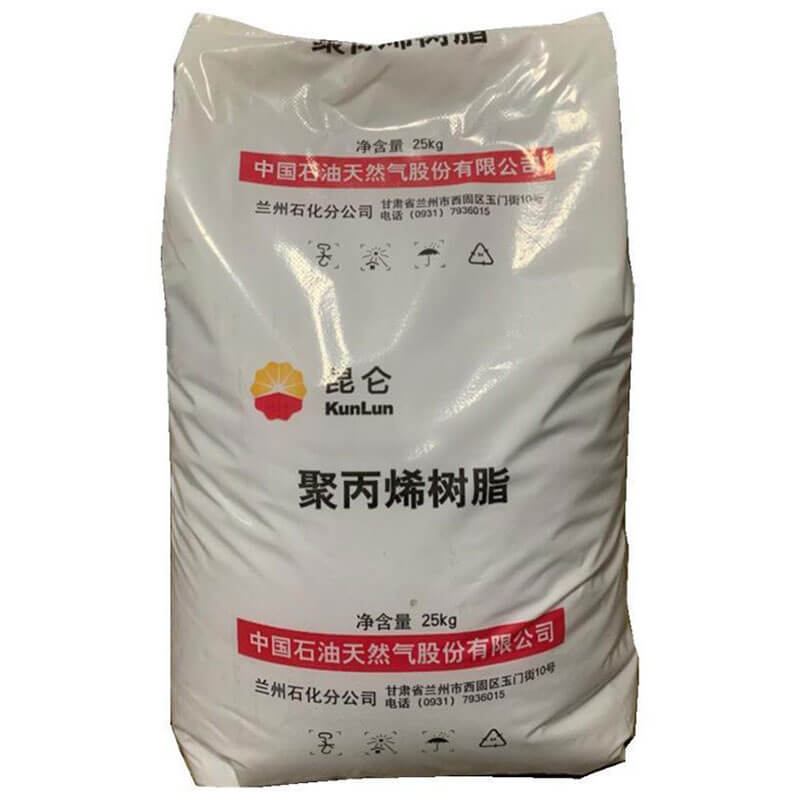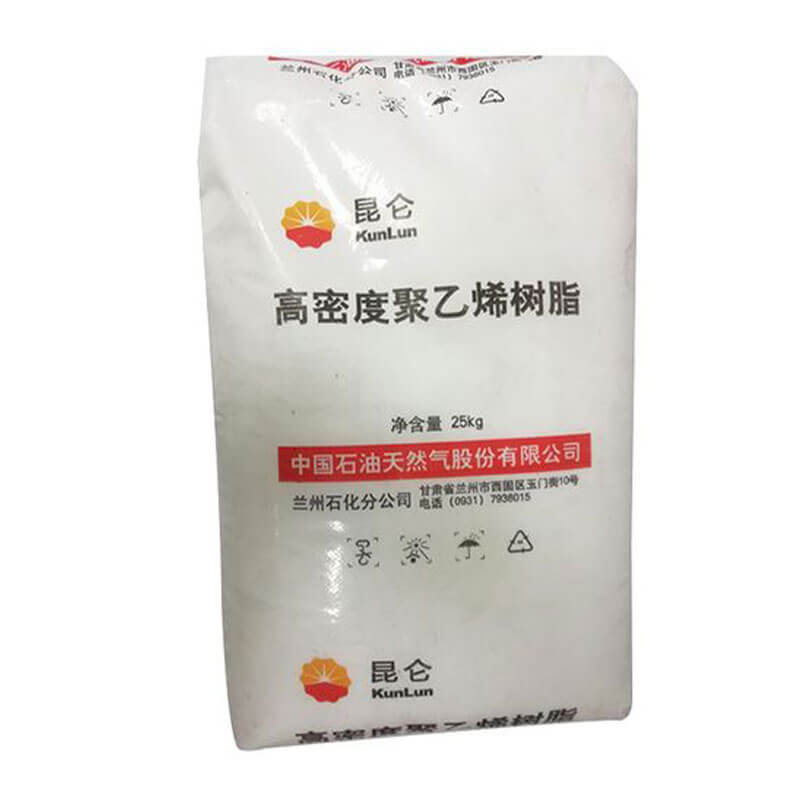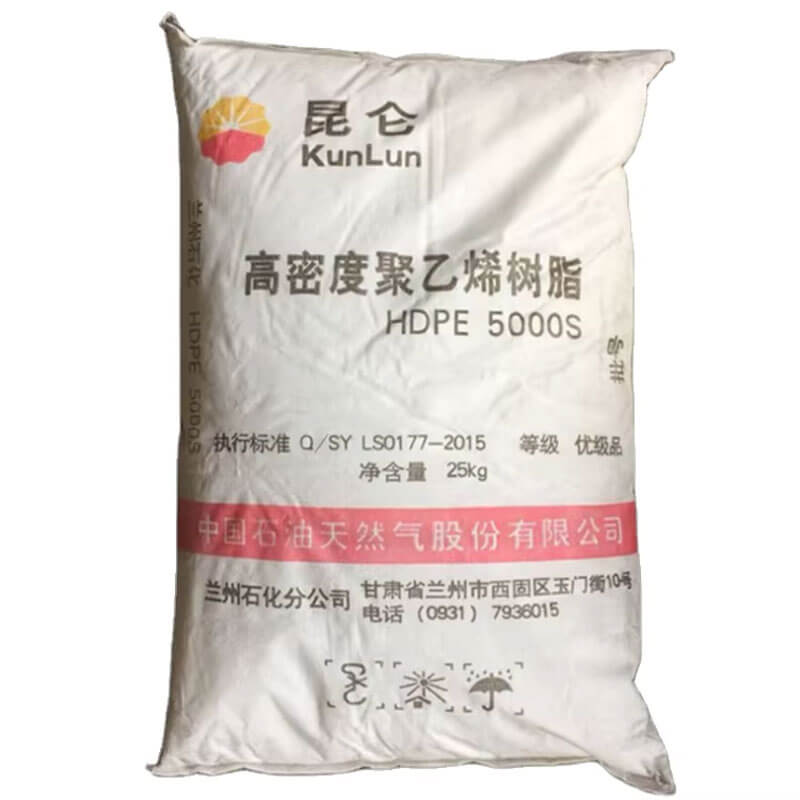
High‑Density Polyethylene HDPE

    • Product Name: High‑Density Polyethylene HDPE
    • Factroy Site: No. 10 Yumen Street, Xigu District, Lanzhou City, Gansu Province
    • Price Inquiry: sales4@ascent-chem.com
    • Manufacturer: PetroChina Lanzhou Petrochemical Company
    • CONTACT NOW
    Specifications
    HS Code 437294
    Density 0.941–0.965 g/cm³
    Melting Point 120–135°C
    Tensile Yield Strength 20–30 MPa
    Flexural Modulus 0.8–1.5 GPa
    Izod Impact Strength 20–120 J/m
    Elongation At Break 500–700%
    Water Absorption 0.005–0.01% over 24h
    Chemical Resistance Resistant to most acids, bases, and organic solvents
    Electrical Insulation Excellent dielectric insulator
    Uv Resistance Poor unless stabilized with carbon black or UV additives
    Thermal Conductivity 0.45–0.52 W/(m·K)
    Shore Hardness D60–D70

    As an accredited High‑Density Polyethylene HDPE factory, we enforce strict quality protocols—every batch undergoes rigorous testing to ensure consistent efficacy and safety standards.

    Packing & Storage
    Packing High-Density Polyethylene HDPE is packaged in 25 kg woven polypropylene bags with a moisture-proof PE liner, sealed for safe transport.
    Container Loading (20′ FCL) 20′ FCL container loading of HDPE resin involves packing 20-foot full container load of pellets in FIBCs or bags, ensuring safe, efficient transport.
    Shipping High-Density Polyethylene (HDPE) ships as non-hazardous solid pellets in lined bags, bulk supersacks, or hopper containers. Protect from moisture and contamination. Transport via truck, rail, or sea container; minimize dust accumulation and static ignition sources during handling.
    Storage Store High-Density Polyethylene (HDPE) in a cool, dry, well-ventilated area away from direct sunlight and UV sources. Keep containers tightly sealed to prevent moisture absorption. Maintain temperatures below 120°F (49°C). Avoid storing near strong oxidizers or incompatible chemicals. Ensure proper grounding to dissipate static electricity and inspect containers regularly for damage.
    Shelf Life HDPE has an indefinite shelf life when stored properly, away from UV light and extreme heat, retaining its properties.
    Application of High‑Density Polyethylene HDPE

    High-molecular-weight bimodal HDPE with a density of 0.949–0.957 g/cm³ and an MFR at 190 °C/5 kg of 0.20–0.45 g/10 min is used for pressure pipe, industrial conduit, and large-diameter water mains. The material is processed on single-screw extruders with L/D ratios from 30:1 to 36:1, grooved feed sections, and barrier screws; melt temperatures at the die are maintained between 200 °C and 230 °C because higher temperatures reduce melt strength and cause sag on diameters above 315 mm. Die head pressure ranges from 30 MPa to 45 MPa on lines producing 125–1200 mm OD pipe, and back pressure depends on screen pack sequence, typically 60/80/120 mesh. Pipe-grade HDPE is qualified by ISO 9080 long-term hydrostatic strength regression and is designated PE100 when the minimum required strength at 20 °C/50 years is 10 MPa; the corresponding design stress for water service under ISO 4427 is 8.0 MPa. North American PE4710 materials classified under ASTM D3350, commonly cell class 445574C, require a PENT slow crack growth failure time greater than 500 h per ASTM F1473 and an oxidative induction time above 20 min at 200 °C per ASTM D3895. For gas distribution, ISO 4437 applies, and the material must pass the ISO 13479 notched pipe test at 80 °C/4.6 MPa for PE100; field failures in older unimodal grades were predominantly brittle slow crack growth, which bimodal HDPE resin design mitigates through comonomer placement and high tie-molecule density.

    ParameterStandard / methodTypical PE4710 / PE100 acceptance band
    Melt mass-flow rate 190 °C/5 kgISO 1133-1:20220.20–0.45 g/10 min
    DensityISO 1183-1:20190.949–0.957 g/cm³
    Tensile yield stressISO 527-2:201223–28 MPa
    Elongation at breakISO 527-2:2012>600 %
    Slow crack growth / PENTASTM F1473>500 h
    Oxidative induction time 200 °CASTM D3895>20 min

    On production lines, vacuum calibration tanks are operated at 15–25 °C water temperature, and the specific water flow for thick-walled pipe is adjusted to maintain an inner surface cooling rate that controls residual crystallinity without inducing excessive thermal stresses. Sag control on large-diameter thick-wall PE100 pipe requires low-sag grades and often a pipe support fork when wall thickness exceeds 40 mm; the local melt temperature at the die exit is kept within a ±5 °C band. Internal cooling with air volume of 0.8–1.5 m³/min per 100 mm diameter is applied on selected lines to reduce differential shrinkage across the pipe wall. The extruded pipe is marked with type, size, standard, and production lot, and samples are subjected to hydrostatic burst testing per ISO 1167 and dimensional verification per ISO 3126.

    What Limits Parison Sag and Wall Distribution in Extrusion Blow Moulded HDPE Containers?

    Extrusion blow moulding grades with an MFR of 0.25–0.45 g/10 min at 190 °C/2.16 kg and density of 0.950–0.958 g/cm³ are selected for containers from 100 mL pharmaceutical bottles to 220 L open-head drums. The dominant process limitation is parison sag, governed by melt strength; on a 10-parison shuttle line with accumulator heads, parison length variation above ±1.5 % produces unacceptable wall-thickness distribution in the pinch-off and shoulder zones. Extruder barrel temperatures are set from 160 °C to 190 °C, head zones at 180–200 °C, and die gaps between 1.5 mm and 3.5 mm; blow air pressure is 0.6–1.0 MPa and mould temperature is held at 10–25 °C to balance impact strength and flash removal. Die swell in HDPE is typically 30–60 % relative to the die gap, requiring parison programmer adjustments that vary die gap by 15–40 % during extrusion. ESCR testing per ASTM D1693 Condition B on bottle-grade HDPE shows failure times above 600 h for detergent and dairy applications. Drop impact testing per ASTM D2463 at -20 °C is used for pharmaceutical and agricultural containers because the brittle point of HDPE shifts upward with increasing density and cooling rate.

    Food-contact containers require FDA 21 CFR 177.1520(c) resin compliance, with extraction limits for n-hexane and xylene, and EU 10/2011 overall migration below 10 mg/dm² for aqueous and acidic simulants. For pharmaceutical primary packaging, USP 661.1 testing applies; the resin must not contribute extractables that shift UV absorption or alter pH. Multi-layer blow moulding is used when permeation of oxygen or solvent vapour must be reduced, and the HDPE layer is coextruded with an ethylene vinyl alcohol barrier layer at a tie-layer temperature of 195–210 °C. The operational boundary is humidity-independent; surface moisture is removed by hopper air circulation at 40–60 °C when shop-floor relative humidity exceeds 60 %.

    RequirementStandard / methodTypical compliance boundary
    Food-contact resin complianceFDA 21 CFR 177.1520(c)Olefin polymer, extraction limits as codified
    Overall migrationEU 10/201110 mg/dm²
    ESCRASTM D1693 Condition B>600 h
    Tensile yield stressASTM D638-1420–28 MPa
    Drop impactASTM D2463No failure at specified height / -20 °C

    Closure moulding grades with an MFR of 8–40 g/10 min at 190 °C/2.16 kg and density 0.950–0.962 g/cm³ are processed in high-cavitation stack moulds with hot-runner valve gates. Melt temperature is set at 220–260 °C, and mould temperature is held between 10 °C and 30 °C; higher mould temperatures reduce frozen-in orientation but increase cycle time. For a 26 mm two-piece closure, cycle time can be below 9 s on a 96-cavity stack mould, but gate freeze-off and screw recovery become the limiting factors. Closing force is sized according to projected area; thin-wall closures with wall thickness 0.4–1.2 mm require injection pressures of 80–140 MPa and first-stage filling times below 0.25 s. Top-load strength is measured per ASTM D2659, tensile yield strength per ASTM D638-14 is generally 24–30 MPa, and notched Izod impact per ASTM D256 exceeds 50 J/m at 23 °C. Dimensional stability is governed by post-mould shrinkage of 1.5–3.0 % after 24 h, and warpage occurs when cavity melt pressure is released before gate freeze. Organoleptic requirements for bottled water caps are addressed by compliance with FDA 21 CFR 177.1520 and EU 10/2011; residual odour screening is performed by headspace GC-MS on the finished closure, and published threshold values are product-specific.

    High-density grades with MI above 20 g/10 min should not be combined with recycled HDPE streams containing paper fibre or polar contaminants because melt filtration and homogenization issues increase gate build-up and black speck formation. Hot-runner temperature should be held within ±3 °C of the nozzle setpoint to prevent stringing at the valve gate and premature freeze-off in the sub-runner.

    High-Molecular-Weight Film Extrusion and the Stalk Bubble Geometry

    HMW-HDPE blown film grades are characterized by high-load melt index of 4–12 g/10 min at 190 °C/21.6 kg and density 0.946–0.955 g/cm³. The film is processed on grooved-feed extruders with L/D ratios of 25:1 to 30:1, at melt temperatures of 190–220 °C. A stalk bubble geometry is used to increase machine-direction orientation; the stalk height is set at 6–8 die diameters, and blow-up ratio is maintained between 2:1 and 4:1. Die gap is 0.8–1.2 mm, and frost line height is 5–8 die diameters. Under these conditions, film thickness from 6 µm to 50 µm is produced at specific outputs of 0.5–1.2 kg/h per mm of die diameter. Bubble stability is sensitive to air-ring flow rate and melt strength; a sudden increase in frost line height above 10 die diameters leads to web wandering and gauge bands. Dart impact resistance is measured per ASTM D1709 from 150 g to 400 g for 25 µm film, while Elmendorf tear strength per ASTM D1922 is typically 20–80 gf depending on orientation. The high density of HMW-HDPE reduces water vapour transmission rate to 0.2–0.4 g/(m²·day) at 38 °C/90 % RH for 25 µm film, measured by ASTM E96/E96M. Melt filtration with screens of 60/100/120 mesh is required to remove gels that originate from high molecular weight chains and insufficient dispersive mixing.

    Applications include grocery sacks, industrial liners, and form-fill-seal overwrap. Seal initiation is measured by heat-seal strength per ASTM F88; HDPE film typically begins to seal at 130–150 °C, as determined on a laboratory heat sealer with 0.4 MPa jaw pressure and 0.5 s dwell. Heat-seal strength should be verified across the seal-bar temperature range because HDPE tends to shrink and thin at the seal edge if dwell time exceeds 0.5 s at temperatures above 160 °C. The incorporation of post-industrial recycled HDPE up to 20–30 % is possible in trash liners if density and melt flow are controlled; film output is reduced when the recycled fraction contains high MI injection material, which lowers bubble stability.

    Rotomoulding grade HDPE is supplied as a ground powder with average particle size below 500 µm (35 mesh), dry flow time of 28–38 s/100 g per ASTM D1895, and bulk density above 0.44 g/cm³. The resin typically has an MFR of 2–6 g/10 min at 190 °C/2.16 kg and density of 0.940–0.946 g/cm³. In a multi-arm carousel machine, moulds rotate at primary/secondary speed ratios of 4:1 at 4–12 min⁻¹; oven temperature is set from 280 °C to 320 °C, and peak internal air temperature is controlled to 190–205 °C. The hold time at peak temperature is 20–40 min for wall thicknesses above 6 mm, because low thermal conductivity of HDPE delays through-thickness melting and surface adhesion. Cooling after oven dwell is performed in forced air at 8–12 K/min before water spray; rapid cooling shortens cycle time but increases differential shrinkage, causing warpage and residual stress in flat panels. Low-temperature impact resistance is tested per ASTM D5276 drop impact or ASTM D1998 for storage tanks, and the material must remain ductile at -40 °C for agricultural tanks and marine parts. Rotomoulded HDPE tanks for potable water are tested for FDA 21 CFR 177.1520 food-contact compliance and, where required, NSF/ANSI 61 extraction. The operational boundary is oven residence time: internal air temperatures above 220 °C for more than 10 min cause surface oxidation, evidenced by yellowing and a reduction in low-temperature impact strength.

    Mould release and density distribution are influenced by powder particle shape; angular particles pack densely but may bridge at narrow mould features, while spherical particles flow more easily. Wall thickness variation in complex parts is controlled by mould design, and a ±10 % variation may be observed on vertical tank walls when oven airflow is uneven. Tensile yield of rotomoulded HDPE is measured after the moulding cycle per ISO 527-2 and is typically 20–25 MPa; elongation at break is above 500 %. End products include 500–20,000 L vertical storage tanks, kayak hulls, and agricultural sprayer tanks.

    Thermal Degradation Pathways in Extrusion Coating of Paperboard for Liquid-Resistant Packaging

    Extrusion coating grades of HDPE with density 0.940–0.950 g/cm³ and MFR 7–12 g/10 min at 190 °C/2.16 kg are processed at die temperatures of 285–320 °C; the temperature window is ±5 °C because lower temperatures leave insufficient carbonyl and polar group formation for board adhesion, while higher temperatures accelerate β-scission and generate odour-active aldehydes. The molten web exits the slot die with an air gap of 200–350 mm and is nipped onto the paperboard substrate at line speeds of 200–600 m/min. Coating weight is controlled between 10 g/m² and 30 g/m² by adjusting screw speed and line speed; neck-in at the die edges is typically 2–5 cm and must be trimmed. Chill roll temperature is 15–25 °C, and surface gloss of the HDPE skin layer is influenced by chill roll roughness and contact time. Adhesion to paperboard is primarily mechanical penetration into the fibre network, and TAPPI T559 peel strength is used to verify anchor levels. For aluminium foil-containing structures, HDPE does not bond directly to the foil; an intervening adhesive layer or ozonated LDPE is required. End products include liquid-resistant cupstock, food-service wraps, and industrial multiwall sacks. Compliance with FDA 21 CFR 177.1520 and EU 10/2011 applies for food contact, with migration testing performed on the final laminate.

    Residence time in the extruder at 300 °C should remain below 10 min; longer residence causes cross-linking or gel formation in the die lips and results in streak defects. The screw is a general-purpose barrier design with L/D of 30:1 and compression ratio 3.5:1, and pressure at the die adapter is 15–25 MPa. Moisture on the paperboard substrate is controlled to 6–8 % by the paper mill because excessive moisture generates steam at the nip and produces pinholes in the coating layer.

    When Tape Yarn Line Tension Exceeds the Cold-Drawing Plateau

    HDPE tape yarn grade with an MFR of 0.5–1.2 g/10 min at 190 °C/2.16 kg and density 0.950–0.958 g/cm³ is extruded through a slit die or cast film line at melt temperature 220–260 °C. The extruded sheet is quenched in water at 30–50 °C, slit to ribbons, and then drawn in a hot-air oven at 110–140 °C to a draw ratio of 6:1 to 10:1. Drawing below the cold-drawing plateau produces high creep and low tenacity; drawing above the plateau causes fibrillation and breaks. Oven residence time is set so that line tension remains below 75 % of the breaking strength of the undrawn tape; on a 600 mm wide line producing 1200 denier tape, draw tensions are monitored continuously. After drawing, the tape is annealed at 120–140 °C with relaxation of 3–8 % to reduce shrinkage. Tenacity is measured per ISO 527-1 and is typically 5–7 cN/dtex for high-tenacity HDPE tape; elongation at break is 15–25 %. UV-stabilized formulations are tested under ISO 4892-2 xenon exposure, and geotextile-grade tapes meet wide-width tensile requirements of ASTM D4595. End products include woven sacks, flexible intermediate bulk containers, and geogrid reinforcement.

    Related Articles
    Free Quote

    Competitive High‑Density Polyethylene HDPE prices that fit your budget—flexible terms and customized quotes for every order.

    For samples, pricing, or more information, please contact us at +8618136850665 or mail to sales4@ascent-chem.com.

    We will respond to you as soon as possible.

    Tel: +8618136850665

    Email: sales4@ascent-chem.com

    Inquiry

    Get Free Quote of PetroChina Lanzhou Petrochemical Company

    Flexible payment, competitive price, premium service - Inquire now!

    Certification & Compliance
    More Introduction

    High-density polyethylene is a linear, semi-crystalline thermoplastic produced through low-pressure catalytic polymerization of ethylene. Industrial catalyst systems include Ziegler-Natta, Phillips chromium oxide, and supported metallocene catalysts; the polymeric architecture contains short-chain branch concentrations of 1–10 branches per 1000 carbon atoms, allowing chain packing into lamellar crystals with crystallinity between 60% and 80%. Density is 0.941 g/cm³ or higher under ASTM D883, and commercial grades typically fall between 0.950 g/cm³ and 0.965 g/cm³ when measured by ISO 1183-1 or ASTM D1505. Melt mass-flow rate at 190 °C and 2.16 kg load ranges from 0.03 g/10 min for high-molecular-weight pipe and blow molding grades to 30 g/10 min for thin-wall injection molding compounds per ISO 1133-1. At 23 °C, tensile yield stress is typically 20–32 MPa under ISO 527-2, and flexural modulus lies between 800 MPa and 1650 MPa under ISO 178. Product forms include PE4710 and PE100 pressure-pipe resins, high-molecular-weight HDPE blow molding grades, injection molding grades, film grades, and 35-mesh rotational molding powders. The distinction among these product forms is controlled by molecular weight distribution, melt mass-flow rate, comonomer type, and additive package rather than by density alone.

    What Distinguishes HDPE from LDPE, LLDPE, and Polypropylene Under ASTM D3350 Classification?

    LDPE and LLDPE differ from HDPE primarily in density, branching frequency, and crystalline content. LDPE is produced by high-pressure free-radical polymerization and contains long-chain branching; its density is 0.910–0.925 g/cm³, tensile yield stress is 8–15 MPa, and flexural modulus is 150–400 MPa under ISO 527-2 and ISO 178. LLDPE incorporates butene, hexene, or octene comonomers at 1–10 wt% to generate short-chain branches; density is 0.915–0.940 g/cm³, and slow crack growth resistance is generally higher than LDPE at equivalent melt index. Polypropylene has a density of 0.895–0.910 g/cm³, a Vicat softening temperature of 150–160 °C under ISO 306/A50, and higher stiffness, but its impact resistance at 0 °C is lower unless copolymerized or impact-modified. Under ASTM D3350, HDPE pipe grades are assigned cell classifications based on density, melt index, flexural modulus, tensile strength, slow crack growth resistance, and hydrostatic design basis; the same property set is not applied to LDPE or LLDPE.

    PropertyTest methodHDPELDPELLDPEPolypropylene
    DensityISO 1183-1 / ASTM D15050.950–0.965 g/cm³0.910–0.925 g/cm³0.915–0.940 g/cm³0.895–0.910 g/cm³
    Tensile yield stressISO 527-220–32 MPa8–15 MPa15–25 MPa25–40 MPa
    Flexural modulusISO 178800–1650 MPa150–400 MPa300–700 MPa1000–2000 MPa
    Vicat softening temperature A50ISO 306122–128 °C85–95 °C95–115 °C150–160 °C
    Heat deflection temperature BISO 75-2/B65–85 °C35–50 °C45–60 °C90–110 °C

    Specification compliance for pipe-grade HDPE is organized through the material designation systems of ASTM D3350 and ISO 17855-1. A PE4710 resin under ASTM D3350 has a hydrostatic design basis of 1600 psi at 23 °C when evaluated by ASTM D2837; a PE100 resin under ISO 9080 has a minimum required strength of 10 MPa at 20 °C for 50 years. PE80 grades are rated at 8 MPa. The change from PE80 to PE100 permits a wall-thickness reduction of approximately 25% at an equivalent pressure rating. Food-contact HDPE is listed in FDA 21 CFR 177.1520, and European food-contact compliance is assessed under Regulation (EU) No 10/2011 with an overall migration limit of 10 mg/dm². Potable-water components are additionally evaluated against NSF/ANSI 61 for leachate contaminants. These designations should appear on the purchase specification, and incoming resin lots should be verified by melt flow rate and density rather than by visual appearance alone.

    Application scopeStandard designationRequired value or conditionTest method
    Pressure pipe PE4710ASTM D33501600 psi hydrostatic design basis at 23 °CASTM D2837
    Pressure pipe PE100ISO 17855-1 / ISO 908010 MPa minimum required strength at 20 °C, 50 yearsISO 9080
    European food contactRegulation (EU) No 10/2011Overall migration ≤ 10 mg/dm²EN 1186-1
    US food contactFDA 21 CFR 177.1520Olefin polymer extraction limitsFDA 21 CFR 176.170(c)
    Potable water componentsNSF/ANSI 61Leachate criteria for contact waterNSF/ANSI 61

    When HDPE Is Extruded into Pressure Pipe on a 33:1 L/D Grooved-Barrel Line

    When HDPE is extruded into pressure pipe on a grooved-barrel single-screw line with an L/D ratio of 33:1, melt temperature is typically controlled between 200 °C and 230 °C, and head pressure before the screen changer is maintained between 20 MPa and 35 MPa. A screen pack of 60/80/100 mesh and a static melt mixer reduce thermal gradients to below 2 °C before the pipe die. Carbon black masterbatch is added at 2.0–3.0 wt% for UV stabilization in outdoor service; increasing carbon black above 3.5 wt% reduces notched impact strength and slow crack growth resistance because filler agglomeration increases stress concentration site density. Flexural creep modulus at 1000 h and 23 °C for pipe-grade HDPE is typically 150–300 MPa under ISO 899-2; grade-specific values are required for buried-pipe deflection calculations. Vacuum calibration at -0.03 MPa to -0.06 MPa is standard, and haul-off speed is slaved to ultrasonic thickness measurement to maintain the wall-thickness tolerance specified in ISO 4427 for the relevant SDR. Processing below 190 °C produces melt fracture at the die exit; processing above 250 °C can initiate oxidative degradation that lowers long-term hydrostatic strength as measured by ISO 9080. Published data for specific line configurations is limited, but these ranges are common industrial setpoints for PE100 extrusion.

    In blow molding of high-molecular-weight HDPE, extrusion grades with an MFR of 0.2–0.5 g/10 min at 190 °C/2.16 kg and density of 0.950–0.955 g/cm³ are used; the high-molecular-weight fraction and broad molecular weight distribution provide melt strength to limit parison sag. Blow mold tooling uses a divergent die gap of 1.5–2.5 mm and blow pressure of 0.6–1.2 MPa. Injection molding consumes higher-flow grades with an MFR of 4–15 g/10 min, barrel temperatures of 190–240 °C, mold temperatures of 15–35 °C, and injection pressures of 60–100 MPa; clamp force is specified at 4–6 kN/cm² of projected area to prevent flash. Rotational molding uses 35-mesh powder grades with an MFR of 3–6 g/10 min and requires a peak internal air temperature of 200–230 °C; underheating below 190 °C leaves incomplete particle fusion and pinholes, while overheating above 250 °C accelerates oxidative embrittlement. These processing windows are grade-specific and should be confirmed on the production equipment because screw recovery rate, back pressure, and mold cooling influence crystallinity and shrinkage.

    Cast-film and sheet extrusion lines processing HDPE grades with an MFR of 0.5–8 g/10 min use a barrier screw with L/D ratio of 24:1–30:1, melt temperatures of 210–240 °C, and polished chill rolls at 20–40 °C. Blown film operations use a die gap of 1.2–2.0 mm and a blow-up ratio between 3:1 and 5:1; transverse direction tear strength is evaluated by ASTM D1922 for the relevant film thickness. HDPE geomembrane sheets are manufactured at thicknesses from 0.75 mm to 3.0 mm and are specified under GRI-GM13 for density, carbon black dispersion, tensile properties, puncture resistance, and stress crack resistance. Carbon black dispersion in geomembranes and pipe is assessed by ISO 18553. For geomembrane service, the specified minimum density is typically 0.940 g/cm³ or higher, and carbon black content should be 2–3 wt% with no significant agglomerates larger than the classification limit of ISO 18553.

    ESCR, Molecular Weight Distribution, and Slow Crack Growth in Aggressive Environments

    Environmental stress crack resistance in HDPE is controlled by tie-molecule concentration, which is a function of molecular weight, molecular weight distribution, and short-chain branching. Pipe-grade bimodal HDPE resins typically have a weight-average molecular weight above 250,000 g/mol and a polydispersity index between 6 and 12; the high-molecular-weight fraction contributes to tie-chain density, while the low-molecular-weight fraction preserves processability. Slow crack growth is characterized by the full-notch creep test under ISO 16770 or by ASTM F1473; PE100 grades are commonly specified to exceed 1000 h at 80 °C in a wetting agent solution at 4.0 MPa, although exact values are formulation-dependent. The bent-strip ESCR test of ASTM D1693 uses 10% Igepal CO-630 at 50 °C and is adequate for lot release, but it is less severe than full-notch creep data. In chlorinated potable water, oxidative disinfectants reduce crack-initiation time; ISO 22088-1 and ASTM D1693 do not capture this mechanism completely, and chlorine resistance should be confirmed by ASTM F2263 when the service environment contains chlorine. The addition of reprocessed material above 20 wt% shifts the molecular weight distribution and can reduce hydrostatic design basis; closed-loop regrind levels in pressure pipe are therefore usually limited to 10–20 wt% depending on oxidative history and pellet quality. Published data for specific resin blends is limited, and the limits should be verified by hydrostatic testing under ISO 9080.

    Oxidative stability is characterized by oxidation induction time at 200 °C under ISO 11357-6 or ASTM D3895. Pipe-grade HDPE formulations generally specify an oxidation induction time greater than 20 min at 200 °C; geomembrane specifications such as GRI-GM13 may require a retained oxidation induction time after oven aging. Differential scanning calorimetry under ISO 11357-3 reports melting peak temperature and crystallinity; HDPE melting peak is typically 125–135 °C at a heating rate of 10 K/min. Ash content from catalyst residues and additives is measured by ISO 3451-1 and is normally below 0.1 wt% for unfilled grades. These values are used for incoming resin qualification and should be evaluated against the manufacturer's grade-specific data sheet.

    Continuous use of HDPE at temperatures above 60 °C under sustained load is generally not recommended because the heat deflection temperature under 0.45 MPa is only 65–85 °C by ISO 75-2/B, and hydrostatic strength declines with temperature in accordance with ISO 9080. HDPE has no polar functionality; printing and adhesive bonding require surface oxidation by corona discharge to a wetting tension of 38–42 mN/m per ASTM D2578, or flame treatment for three-dimensional parts. The material resists most aqueous inorganic salts, dilute acids, and alkalis, but is not recommended for continuous contact with aromatic hydrocarbons, chlorinated solvents, or strong oxidizing acids above 20 °C. Unlike plasticized PVC, HDPE contains no phthalate plasticizers; therefore plasticizer migration is not a failure mode. Low-molecular-weight additives and processing stabilizers may migrate at measurable levels under fatty-food simulants, and compliance with Regulation (EU) No 10/2011 should be verified on the finished article rather than on the resin alone.