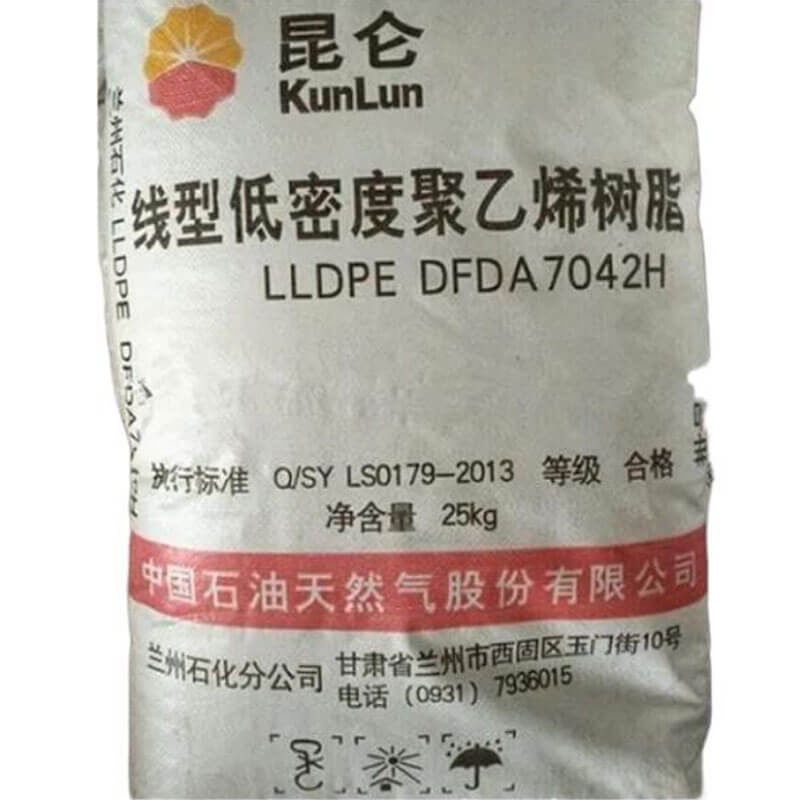
Linear Low‑Density Polyethylene LLDPE

    • Product Name: Linear Low‑Density Polyethylene LLDPE
    • Factroy Site: No. 10 Yumen Street, Xigu District, Lanzhou City, Gansu Province
    • Price Inquiry: sales4@ascent-chem.com
    • Manufacturer: PetroChina Lanzhou Petrochemical Company
    • CONTACT NOW
    Specifications
    HS Code 513200
    Density 0.916–0.940 g/cm³
    Melting Point 122–126 °C
    Tensile Strength 20–50 MPa
    Flexural Modulus 350–900 MPa
    Elongation At Break 300–900%
    Shore Hardness D50–D60
    Melt Flow Index 0.1–30 g/10 min
    Vicat Softening Point 95–115 °C
    Crystallinity 30–45%
    Water Absorption 0.01–0.05% (24h)
    Thermal Conductivity 0.32–0.35 W/(m·K)
    Chemical Resistance Resistant to acids, bases, and alcohols

    As an accredited Linear Low‑Density Polyethylene LLDPE factory, we enforce strict quality protocols—every batch undergoes rigorous testing to ensure consistent efficacy and safety standards.

    Packing & Storage
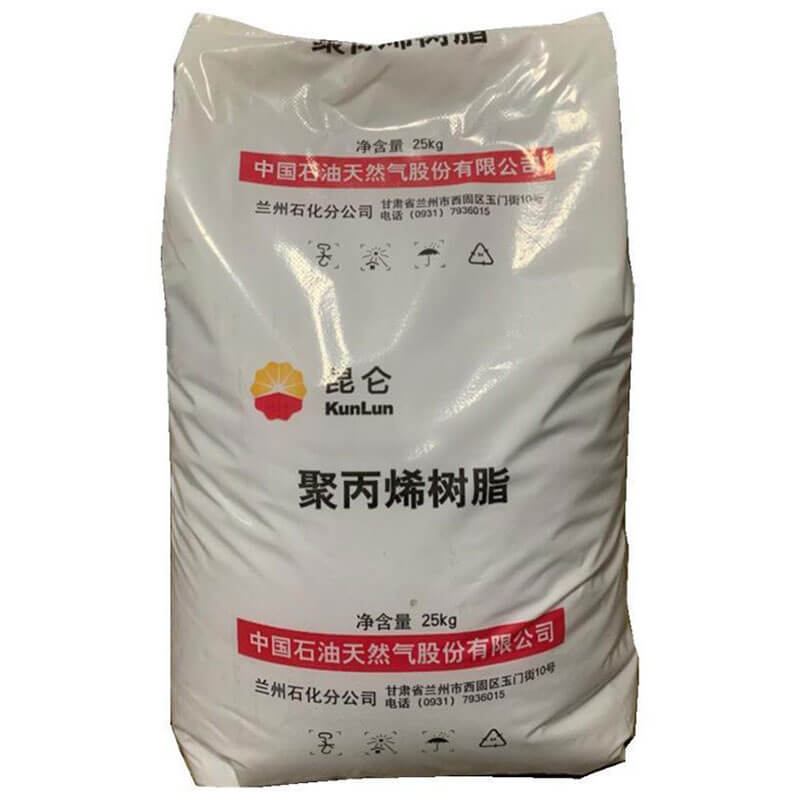
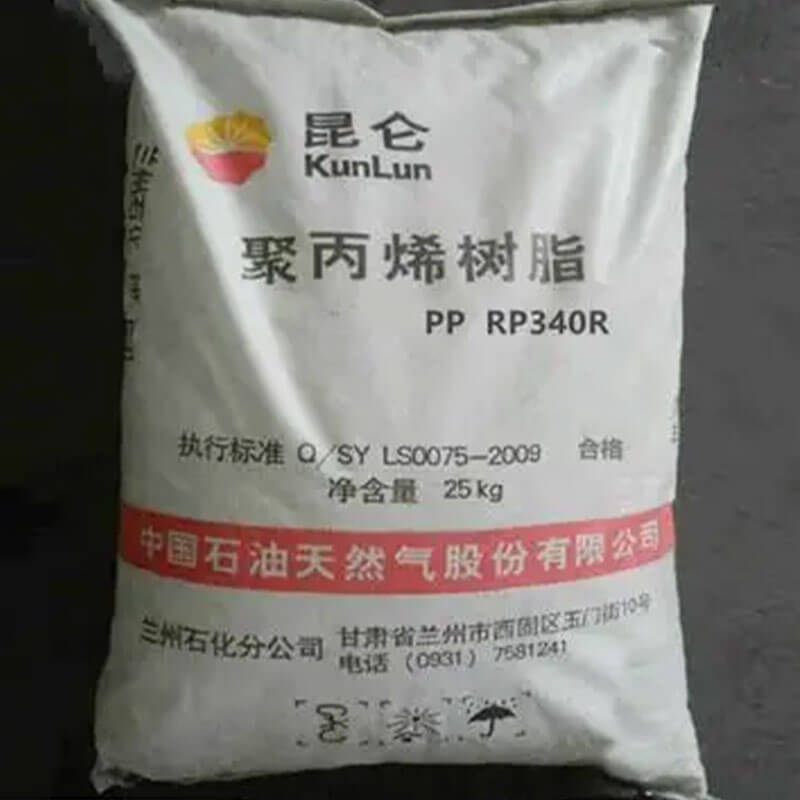
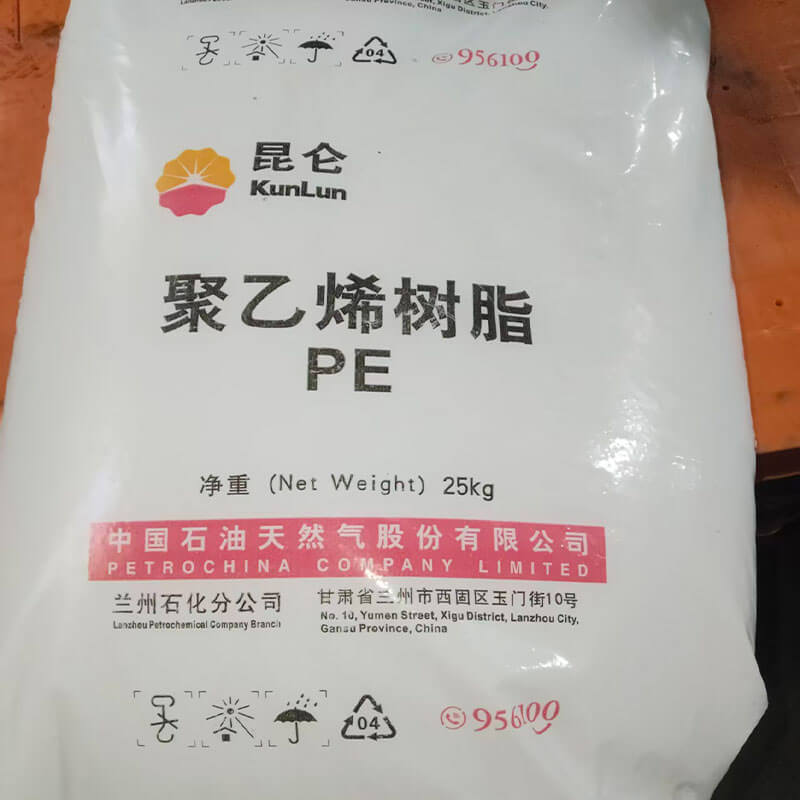
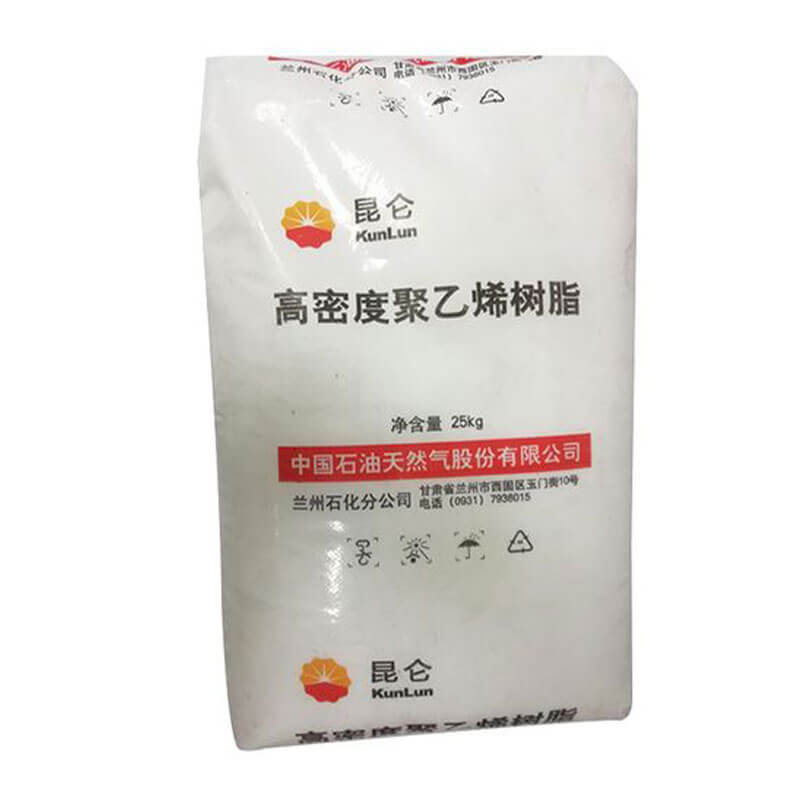
    Packing Linear low-density polyethylene (LLDPE) supplied as pellets in 25 kg polyethylene bags, palletized and stretch-wrapped for safe transport.
    Container Loading (20′ FCL) LLDPE loaded in 20′ FCL as 25kg bags on pallets, about 24 metric tons per container.
    Shipping Linear low-density polyethylene (LLDPE) ships as granules or powder in multiwall paper bags, FIBC bulk bags, or via hopper trucks, railcars, and shipping containers. Protect from moisture and contamination. Although non-hazardous, static charges and combustible dust require grounding and avoidance of ignition sources.
    Storage Store Linear Low-Density Polyethylene (LLDPE) in a cool, dry, well-ventilated area away from direct sunlight, heat sources, and ignition hazards. Keep packaging sealed to prevent moisture absorption and contamination. Avoid contact with oxidizing agents and incompatible chemicals. Use proper grounding to prevent static buildup. Maintain first-in, first-out inventory and follow manufacturer guidelines.
    Shelf Life LLDPE has an indefinite shelf life when stored in a cool, dry area, protected from sunlight and moisture.
    Application of Linear Low‑Density Polyethylene LLDPE

    Agricultural silage wrap produced from 1-octene LLDPE is processed on monolayer and coextruded blown film lines where puncture resistance, machine-direction tensile properties, and surface friction are governed by comonomer type, die geometry, and cooling conditions rather than by melt index alone. Typical formulation addition ratios in this downstream segment place LLDPE at 80–100 wt%, with up to 20 wt% autoclave LDPE added to reduce shear viscosity and improve bubble stability on legacy single-lip air ring equipment; cling agents and polyisobutylene tackifiers are generally maintained below 2 wt% to prevent blocking, while hindered amine light stabilisers are incorporated at 0.2–0.5 wt% when ultraviolet exposure exceeds 12 months in direct sunlight. Compliance is anchored to ASTM D1709-16a method B for free-falling dart impact, ASTM D882-18 for tensile properties of thin plastic sheeting, ASTM D1922-15 for Elmendorf tear resistance, and ISO 527-3:2018 for tensile testing of film and sheet; direct food-contact applications for grain storage liners and heavy-duty sacks are evaluated under FDA 21 CFR 177.1520(c) olefin polymer clearance and EU 10/2011/EU overall migration limits. Downstream production on a typical 160–200 mm annular die with dual-lip air ring and internal bubble cooling requires a melt temperature of 190–230°C, a blow-up ratio between 2.0:1 and 3.2:1, and a frost line height set at 3–7 die diameters; on 25:1 L/D single-screw extruders processing narrow molecular weight C4-LLDPE at high output, sharkskin melt fracture begins at shear rates that destabilise the bubble, so processors add 10–15% LDPE or raise melt temperature by 5–10°C to restore surface smoothness without reducing line speed. Terminal product types include bale wrap, agricultural silage film, grain storage liners, heavy-duty shopping sacks, and flexible intermediate bulk container liners.

    What Changes When LLDPE Replaces LDPE in Rotomoulded Intermediate Bulk Containers?

    Rotational moulding grades of LLDPE are ground to 35 mesh (500 µm) and can be charged as 100 wt% LLDPE or blended with HDPE at 70/30 wt% LLDPE/HDPE to increase modulus while retaining low-temperature impact toughness. Compliance for chemical storage tanks and container liners is typically demonstrated against ASTM D1998-21 for polyethylene upright storage tanks, ASTM D1693-15 for environmental stress-crack resistance, and FDA 21 CFR 177.1520 where potable water or food-contact service is specified; the base resin also falls under ASTM D4976-23 polyethylene plastics specification, with melt index tested by ASTM D1238-20 at 190°C under 2.16 kg. Downstream production involves charging the micronised powder into a closed steel mould rotated biaxially in a forced-air oven; peak internal air temperature is held between 200°C and 220°C for 20–40 minutes depending on nominal wall thickness, followed by controlled cooling to demoulding temperature below 70°C to prevent warpage and dimensional variation. A recurring processing bottleneck on fabricated multi-axis machines is wall thinning in deep pockets and near sharp corners, which becomes critical when the dry flow of the ground powder is inconsistent; the addition of 1–3 wt% internal release or venting agent is common, but release additive above 5 wt% reduces polymer interdiffusion at weld lines and lowers impact strength. Terminal product types include 1,000-L intermediate bulk container inner bottles, agricultural sprayer tanks, portable fuel storage containers, and water storage vessels requiring stress-crack resistance in aggressive service environments.

    Neck-In, Adhesion, and Chill-Roll Quenching in Extrusion-Coated Liquid Packaging

    Extrusion coating with LLDPE provides heat-seal integrity and puncture resistance in laminated structures where the polymer melt is drawn down onto paper, paperboard, aluminium foil, or oriented substrates through a slot die. Formulation addition ratios in this segment typically use LLDPE at 85–100 wt%, with up to 15 wt% LDPE added to broaden the draw resonance window and reduce neck-in on long air gaps; adhesion to aluminium foil frequently requires a coextruded tie layer of maleic anhydride grafted polyethylene or ethylene acrylic acid copolymer at 5–15 µm thickness rather than an off-line primer. Compliance is evaluated by ISO 1133-1:2022 for melt flow rate, ASTM D1894-14 for static and kinetic coefficient of friction of plastic film and sheeting, ASTM D1003-21 for haze and luminous transmittance, and FDA 21 CFR 177.1520 for food-contact structures; package heat-seal performance is commonly tested under ASTM F88/F88M-21. In downstream production, the resin is processed at melt temperatures of 288–315°C through a slot die with an air gap of 150–300 mm, followed by quenching on a chill roll held at 15–25°C; coating weights are normally set between 20 g/m² and 40 g/m². When coating weight falls below 15 g/m², pinhole density and bond strength become highly sensitive to air-gap oxidation, and the polymer must be processed at the upper end of the temperature range to promote anchorage to foil surfaces. Terminal product types include aseptic cartons, paper cups, laminated sachet films, flexible packaging for liquids, and medical packaging where moderate barrier and seal strength are specified.

    Cast film lines running octene-LLDPE for stretch hoods and pallet wrapping require a different balance of tack, puncture resistance, and elongation than blown agricultural silage film. The formulation addition ratio for machine-grade cast stretch film is typically 70–90 wt% octene or hexene LLDPE, 10–30 wt% metallocene catalysed LLDPE to raise Dart and puncture values without excessive haze, and 1–3 wt% liquid polyisobutylene tackifier added via masterbatch to control cling force; slip and antiblock packages are generally minimised below 0.5 wt% to avoid destroying cling on the unwind roll. Industry compliance standards include ASTM D5458-95 for cling stretch film, ASTM D5748-19 for puncture resistance of stretch wrap film, ASTM D882-18 for tensile properties, and ISO 527-3:2018 for film and sheet tensile testing. Downstream production on a cast film line uses a single-screw extruder with 28:1–30:1 L/D, melt temperature of 240–280°C, and a polished chill roll maintained at 15–30°C; line speeds above 400 m/min require internal deckles and edge pinning to prevent neck-in and draw resonance. The process conflict in this segment is tackifier migration: polyisobutylene can volatilise at high melt temperatures and redeposit on the chill roll, causing wrap-around defects, so the tackifier package is normally added late in the melt path or via a high-concentration masterbatch. Terminal product types include manual pallet wrap, machine pallet wrap, stretch hoods for palletised freight, and bundling films where high elongation and load retention are critical.

    When Geomembrane Specifications Demand Both Flexibility and Stress-Crack Resistance

    Flexible LLDPE geomembranes are used where low-temperature flexural behaviour and multiaxial strain capacity outweigh the higher modulus of HDPE liners. The formulation addition ratio is usually 95–97 wt% LLDPE resin, 2–3 wt% carbon black masterbatch for ultraviolet resistance, and 0.5–1.0 wt% antioxidant and heat stabiliser package; no plasticiser is required because flexibility is derived from the comonomer side branches in the polymer chain. Compliance for this application is governed by GRI-GM17 for LLDPE geomembranes, with thickness measured under ASTM D5199-12, density under ASTM D1505-18, tensile properties under ASTM D6693-16, and notched constant tensile load stress-crack resistance under ASTM D5397-20; carbon black dispersion is assessed by ASTM D5596-21. Production is performed by flat die extrusion or calendering into sheet thicknesses between 0.5 mm and 2.5 mm, with textured or smooth surfaces applied during the melt phase; melt temperature is held in the range of 200–240°C, and line speed is limited by gauge uniformity demands at the required thickness tolerance. A critical processing boundary for LLDPE geomembrane is dimensional stability during cooling: uneven roll temperatures or excessive take-off tension introduce residual stress that later appears as landform-induced stress cracking in the field. Table 1 lists the primary compliance checks applied to LLDPE geomembrane before shipment. Terminal product types include landfill liners, pond liners, mining heap leach pads, secondary containment basins, and canal liners where sheet flexibility must accommodate substrate settlement.

    Standard designationProperty testedTypical specification value for LLDPE geomembrane
    GRI-GM17General LLDPE geomembrane specificationResin density 0.900–0.939 g/cm³
    ASTM D5199-12Nominal thickness1.00 mm, 1.50 mm, 2.00 mm; tolerance ±5%
    ASTM D6693-16Tensile propertiesBreak elongation typically above 600% for flexible grades
    ASTM D5397-20Notched constant tensile loadFailure time requirement set by project-specific design life
    ASTM D5596-21Carbon black dispersionRating category 1 or 2 for outdoor exposure grades

    Low-density polyethylene jacketing compounds based on LLDPE are extruded as primary sheaths for outdoor copper and fibre optic communication cables, where environmental stress-crack resistance and low-temperature impact are more important than high-temperature dimensional stability. The formulation addition ratio in this segment is usually 90–95 wt% LLDPE, 2.5 wt% carbon black masterbatch for ultraviolet protection, 0.5–1.0 wt% antioxidant masterbatch, and 0.2–0.5 wt% processing aid to reduce melt fracture at high line speeds. Compliance is evaluated under IEC 60502-1:2021 for low-voltage cable sheaths, ASTM D1248-12 for polyethylene sheathing compounds, and RoHS Directive 2011/65/EU for restricted substances in electrical and electronic equipment; environmental stress-crack resistance is measured by ASTM D1693-15 with 10% Igepal CO-630 at 50°C. Downstream production uses a single-screw extruder with 20:1–30:1 L/D, a crosshead die, and melt temperature between 150°C and 190°C to avoid scorching the carbon black masterbatch; the molten tube is drawn through a water cooling trough with controlled vacuum or pressure to regulate wall thickness. The operational boundary is clear: LLDPE is not suitable as primary high-voltage insulation because its dielectric loss and space charge behaviour differ from dedicated XLPE insulation compounds, and published data for this specific configuration is limited when higher voltage classes are specified. Terminal product types include outdoor telecommunication cable jackets, copper communication cable sheaths, low-voltage cable bedding, and fibre optic ducting where flexibility during installation is required.

    Tracing Carbon Black Dispersion to Hydrostatic Failure in Thin-Wall Drip Irrigation Laterals

    Drip irrigation laterals extruded from LLDPE require a narrow wall thickness distribution and superior carbon black dispersion, because micro-cracks initiated by agglomerates become long-term hydrostatic failure sites under cyclic field pressure. The formulation addition ratio for black laterals is typically 97–99 wt% LLDPE pipe grade, 2–3 wt% carbon black masterbatch with a narrow aggregate size distribution, and 0.1–0.3 wt% processing aid; for thin-wall products below 0.7 mm wall thickness, the carbon black masterbatch is selected at the lower end to avoid loss of burst strength. Compliance links to ISO 9261:2004 for agricultural irrigation emitters and emitting pipe, ISO 8796:2004 for polyethylene pipes for irrigation laterals, ASTM D3350-21 for polyethylene plastics pipe and fitting materials, and ISO 9080:2022 for long-term hydrostatic strength using the standard extrapolation method. In production, the resin is processed on a single-screw pipe extruder with a 24:1–30:1 L/D screw at melt temperatures of 180–220°C, followed by vacuum calibration and cooling in spray tanks; the tube enters an emitter insertion unit while still dimensionally stable to maintain puncture-free bonding. The primary process conflict is output versus dispersion: increasing screw speed above a critical level reduces residence time and produces visible carbon black agglomerates that pass casual inspection but fail long-term hydrostatic testing. Terminal product types include drip irrigation laterals, micro-sprinkler tubing, emitter connection tubing, and low-pressure water distribution lines for protected horticulture.

    Melt Flow Index Alone Cannot Predict Warpage in Thin-Wall Injection Moulded Lids

    Thin-wall injection moulding of flexible LLDPE lids and closures requires attention to shrinkage anisotropy and ejection temperature, because the same melt index can produce different in-plane warpage depending on molecular architecture and mould cooling configuration. The formulation addition ratio is typically 98–100 wt% injection grade LLDPE, with 2–4 wt% slip masterbatch to reduce coefficient of friction for stacking, and 0.2–0.5 wt% antioxidant masterbatch to protect against thermo-oxidative degradation during regrind reuse. Compliance is assessed by ASTM D1238-20 for melt flow rate at 190°C under 2.16 kg, ASTM D638-22 for tensile properties, ISO 294-4:2018 for shrinkage of injection moulded test specimens, and FDA 21 CFR 177.1520 for food-contact lids. Downstream production uses a reciprocating screw machine with 20:1–24:1 L/D screw, melt temperature of 200–240°C, and mould temperature of 10–30°C; clamp force must exceed the projected cavity pressure multiplied by part area, with thin-wall lids often requiring high injection speed and short hold time to prevent overpacking. A specific process boundary is the recovery of regrind: LLDPE lids are reground and mixed at up to 20–30 wt% with virgin resin, but repeated heat history reduces slow-crack resistance and widens melt flow rate distribution. Terminal product types include snap-on flexible lids, overmoulded caps, thin-wall container closures, and houseware covers where toughness at low temperature is specified rather than high heat resistance.

    Related Articles
    Free Quote

    Competitive Linear Low‑Density Polyethylene LLDPE prices that fit your budget—flexible terms and customized quotes for every order.

    For samples, pricing, or more information, please contact us at +8618136850665 or mail to sales4@ascent-chem.com.

    We will respond to you as soon as possible.

    Tel: +8618136850665

    Email: sales4@ascent-chem.com

    Inquiry

    Get Free Quote of PetroChina Lanzhou Petrochemical Company

    Flexible payment, competitive price, premium service - Inquire now!

    Certification & Compliance
    More Introduction

    Linear low-density polyethylene (LLDPE) is a copolymer of ethylene and an α-olefin, typically 1-butene, 1-hexene, or 1-octene, manufactured under low-pressure catalytic conditions in gas-phase, solution, or slurry processes. The resin is defined by a density range of 0.915–0.940 g/cm³ when measured according to ASTM D1505 or ISO 1183-1, and by the presence of short-chain branches that disrupt lamellar packing without forming the long-chain branching topology characteristic of autoclave or tubular LDPE. Commercial data sheets generally specify melt index (ASTM D1238, 190 °C/2.16 kg) and density as the two primary grade identifiers. Equivalent melt-flow characterization may use ISO 1133-1:2022 Procedure A at 190 °C and 2.16 kg. Grade nomenclature in technical data sheets is typically written as a density/melt-index pair, such as C6-0.918/2.0, where C6 denotes 1-hexene and the numbers denote density in g/cm³ and melt index in g/10 min. In food-contact applications, compliant grades meet FDA 21 CFR §177.1520 and European Commission Regulation (EU) No 10/2011, subject to migration testing under the intended conditions of use. The product is processed on blown-film, cast-film, extrusion-coating, injection-molding, and rotational-molding lines, with grade selection controlled by viscosity, comonomer type, and additive formulation. At densities below 0.915 g/cm³, the resin is no longer classified as LLDPE and enters the VLDPE or plastomer range; above 0.940 g/cm³, the material transitions to MDPE/HDPE designations, and the shift is accompanied by measurable changes in tensile modulus and dart impact rather than a nominal label change alone.

    When 1-octene replaces 1-butene at equivalent melt index

    At equivalent density and 2.0 g/10 min melt index (ASTM D1238, 190 °C/2.16 kg), an octene-1 based LLDPE typically exhibits lower seal-initiation temperature and higher puncture resistance than a butene-1 grade. The difference arises from comonomer branch length; octene-derived hexyl branches are more effective at increasing tie-chain probabilities than butene-derived ethyl branches when crystallinity is otherwise similar. On a 50 mm grooved-barrier extruder with an L/D of 30:1, switching from a butene-1 grade to an octene-1 grade of the same melt index can require a screw-speed reduction of 5–10% to maintain stable bubble geometry, because the octene copolymer displays higher shear viscosity and specific energy consumption. In blown film at 25 μm gauge, dart impact values (ASTM D1709, Method A) for commercial octene-1 film grades may exceed 400 g, while butene-1 film of identical density and melt index can fall below 150 g; these values are dependent on frost-line height, blow-up ratio, die gap, and internal bubble cooling settings. Puncture resistance measured under ISO 7765-2 follows the same directional increase with comonomer length, but the exact gain varies with orientation and gauge uniformity.

    Across blown-film, cast-film, injection-molding, and rotational-molding supply chains, commercial LLDPE grades are specified primarily by melt index, density, comonomer type, and additive package. Blown-film grades are supplied at melt indices of 0.5–2.0 g/10 min and densities from 0.916 g/cm³ to 0.925 g/cm³. Cast-film grades for stretch wrap are typically set at 2.0–3.5 g/10 min and 0.916–0.921 g/cm³. Injection-molding grades used in thin-wall closures and housewares are compounded to 20–50 g/10 min and 0.924–0.935 g/cm³. Rotational-molding grades are dry-blended with heat stabilizers and pigments at 3.0–7.0 g/10 min and 0.932–0.940 g/cm³. These windows are supply-chain reference values; the actual product data sheet and lot-specific certificate of analysis govern acceptance.

    Processing route Melt index at 190 °C/2.16 kg Density (g/cm³) Typical comonomer Primary test methods
    Blown film 0.8–2.0 0.916–0.925 C4/C6/C8 ASTM D1238, ASTM D1709, ASTM D1922
    Cast film 2.0–3.5 0.916–0.921 C6/C8 ASTM D882, ASTM D1894
    Injection molding 20–50 0.924–0.935 C4/C6 ASTM D638, ASTM D790
    Rotational molding 3.0–7.0 0.932–0.940 C4/C6 ASTM D1998, ASTM D1693

    Catalyst chemistry influences product specifications and processing. Ziegler-Natta LLDPE grades typically contain heterogeneous short-chain branch distribution; the high-molecular-weight fraction may be relatively linear, while the low-molecular-weight fraction contains most of the comonomer. Metallocene resins produce narrower molecular weight and composition distributions, which lowers hexane extractables under FDA 21 CFR §177.1520 extraction protocols and reduces film haze compared with conventional Ziegler-Natta grades. The processing penalty is narrower shear sensitivity: a metallocene LLDPE with melt index 1.0 g/10 min may generate 10–15% higher extruder amps than a Ziegler-Natta grade of the same density and melt index on a 30:1 barrier-screw blown-film line. This trade-off is relevant when replacing a conventional grade with a metallocene grade without resizing the extruder drive.

    What processing parameters control melt pressure and screw torque in grooved-barrel extruders?

    LLDPE’s narrow molecular weight distribution and absence of long-chain branching produces a shear-thinning response that differs from LDPE. At blown-film die rates above 1.5 kg/h per cm of die circumference, melt pressure in a 30:1 L/D grooved-barrel extruder can be 15–25% higher than that of an equivalent-melt-index LDPE. The lower melt strength of LLDPE also reduces bubble stability, and draw resonance in cast-film lines appears at lower haul-off accelerations than with LDPE. The processing correction on blown-film lines includes a wider die gap of 2.0–2.5 mm, compared with 0.8–1.2 mm for LDPE, combined with a dual-lip air ring and internal bubble cooling. When line speed on a 75 mm extruder is increased above 150 m/min, fluoropolymer processing aid masterbatch at 200–800 ppm is used to suppress sharkskin by reducing polymer-metal adhesion at the die land. Melt temperature is normally held at 190–230 °C; excursions above 250 °C create oxidative gel formation that appears as optical film defects and as thickness discontinuities under ASTM D374 capacitance measurement. Screw torque is monitored continuously because LLDPE can draw higher amp loads than LDPE at the same barrel set points, particularly on single-flighted barrier screws with shear-mixing sections.

    Melt fracture is not eliminated by die-gap widening alone.

    In LLDPE, sharkskin melt fracture initiates at wall shear stresses between 0.1 MPa and 0.4 MPa, depending on die entry angle, melt temperature, and molecular weight distribution. Widening the die gap redistributes shear stress but does not remove the cohesive failure at the polymer-metal interface. Fluoropolymer processing aids lower the apparent slip velocity threshold and are validated by melt-pressure reduction and die-lip deposit formation rather than by visual inspection alone. A 1:1 blend of LLDPE with LDPE can reduce melt pressure by 10–15% and delay melt-fracture onset to 30–50% higher output. The same blend, however, lowers dart impact under ASTM D1709 and puncture resistance under ISO 7765-2 because LDPE long-chain branching does not provide the same tie-chain network as the original LLDPE comonomer distribution. For this reason, LDPE addition is kept at 10–20 wt% unless bubble stability cannot otherwise be maintained on thin-gauge product.

    Comonomer length, density, and long-chain branching benchmarks across LLDPE, LDPE, and HDPE

    Differentiation against LDPE and HDPE is anchored to density, branching architecture, and melt rheology. LLDPE occupies 0.915–0.940 g/cm³; LDPE is specified in a similar density band but contains long-chain branches that confer extensional strain hardening; HDPE ranges from 0.941 g/cm³ to 0.965 g/cm³ and possesses minimal short-chain branching. At the same melt index, LLDPE exerts 10–20% higher extruder power demand than LDPE because long-chain branching in LDPE promotes shear thinning. HDPE blown film requires die gaps of 1.2–1.5 mm and melt temperatures above 210 °C because of its higher crystallization temperature. Table 2 summarizes laboratory differentiation under standardized conditions.

    Property LLDPE LDPE HDPE Test method
    Density 0.915–0.940 g/cm³ 0.910–0.925 g/cm³ 0.941–0.965 g/cm³ ASTM D1505
    Short-chain branches per 1,000 C 10–30 15–30 <5 NMR or FTIR
    Long-chain branching Absent to very low High Absent to very low Rheology
    Peak melting temperature 120–126 °C 105–115 °C 128–135 °C ASTM D3418
    Tensile yield strength 8–20 MPa 7–14 MPa 20–35 MPa ASTM D638
    Film haze at 25 μm 3–15% 2–8% >20% ASTM D1003

    Because cast-film stretch-wrap operates at high line speeds and low film thickness, LLDPE grades with 2.0–3.5 g/10 min melt index are run on lines with 3,000 mm die width and 0.8 mm die gap at output rates of 250–400 kg/h. Film thickness is commonly 12–23 μm, and tensile elongation at break under ASTM D882 exceeds 500%. Puncture resistance measured by ISO 7765-2 is used to rank comonomer effects; specific values vary with dart size and gauge, and no single published range applies across all stretch-wrap grades. Agricultural greenhouse films incorporate hindered-amine light stabilizers at 0.4–0.8 wt% to retain tensile properties under ISO 4892-2 accelerated weathering; published data for specific geographic UV dose configurations is limited outside commercial exposure programs. Heavy-duty sacks and industrial liners use film tensile secant modulus at 1% strain (ASTM D882) in the range 150–250 MPa, which is lower than HDPE alternatives but sufficient for gusseted load retention. Seal strength in form-fill-seal operations is evaluated by hot-tack (ASTM F1921) and seal-strength (ASTM F88) protocols, with LLDPE exhibiting a broader sealing window than LDPE at sealed-jaw temperatures between 90 °C and 130 °C.

    Extrusion coating and lamination grades of LLDPE are formulated with melt index 8–20 g/10 min and density 0.915–0.925 g/cm³ to achieve low neck-in and adhesion to paper, board, or aluminum foil. On a 90 mm extruder feeding a 1.0 m slot die, coating weights of 15–30 g/m² are applied at line speeds of 100–300 m/min. Draw-down stability is quantified by the maximum line speed at which coating-weight variability remains below ±5% using ASTM D374 thickness measurement. Adhesion to foil is measured by ASTM D1876 T-peel or by heat-seal strength under ASTM F88.

    For rotomolding powders, particle size distribution is specified by 35 mesh retention below 10% and 200 mesh fines below 15% to ensure consistent wall thickness in biaxial ovens. Peak internal air temperature is controlled at 190–220 °C, and the mold surface is held below 260 °C to limit oxidative degradation. Impact strength at -40 °C is tested by low-temperature dart impact under ISO 6603-2 instrumented puncture, because LLDPE parts used in chemical storage tanks must retain ductile failure below freezing.

    Under food-contact legislation, conformance to FDA 21 CFR §177.1520 or European Commission Regulation (EU) No 10/2011 is grade-specific and does not extend automatically to reprocessed or post-consumer material. A virgin resin may meet overall migration limits below 10 mg/dm² in 95% ethanol or isooctane food simulants under EN 1186 or ISO 1186, while a blend containing recycled LLDPE from non-food sources may fail the same limit. LLDPE itself is not hygroscopic, but polar additives, pigments, and reclaimed material can absorb surface moisture; processing such feedstock at ambient relative humidity above 60% without pre-drying at 60–70 °C for 2 h introduces splay and pinhole defects that cannot later be corrected by melt-temperature adjustments. These operational boundaries are essential for grade-to-grade substitution and for maintaining article conformity.