Polyethylene PE

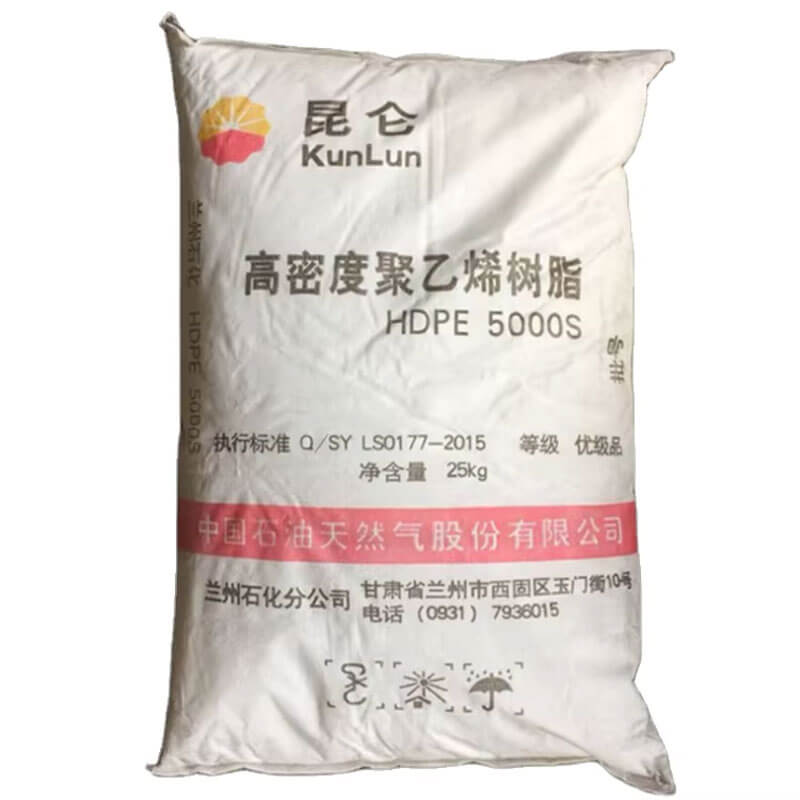
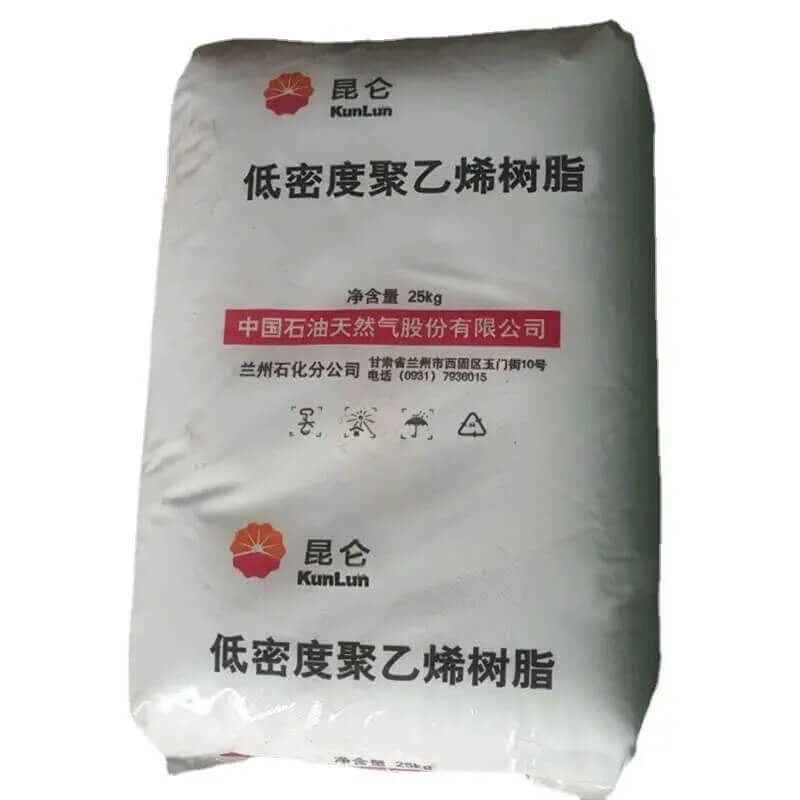
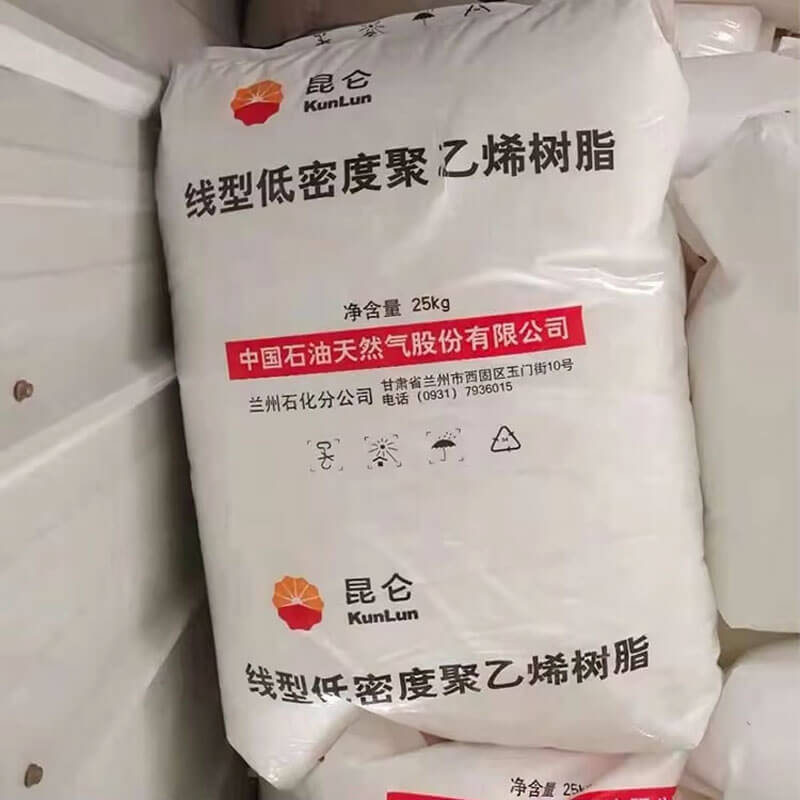
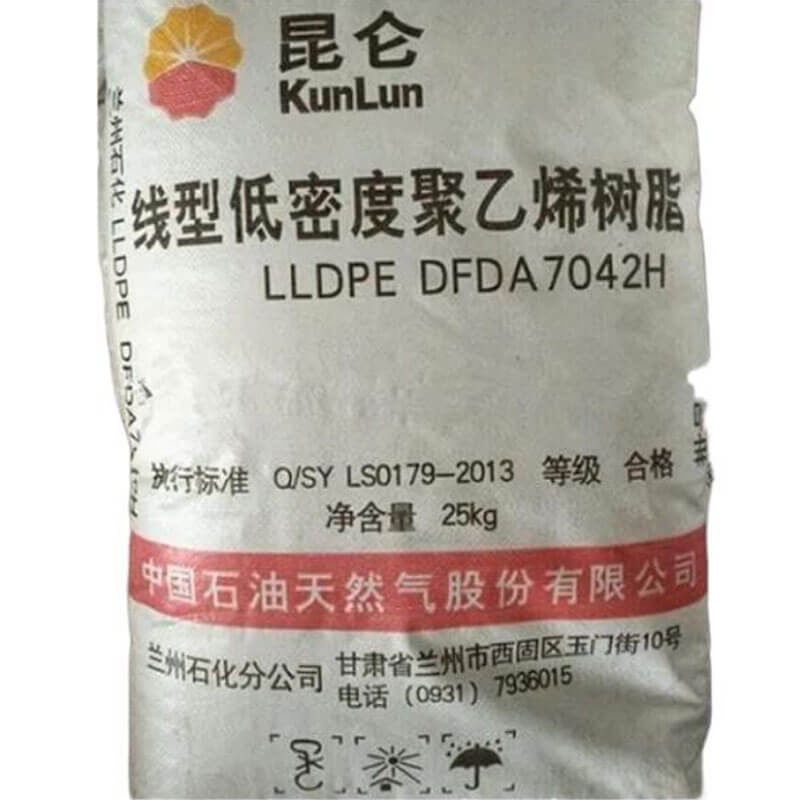
    • Product Name: Polyethylene PE
    • Factroy Site: No. 10 Yumen Street, Xigu District, Lanzhou City, Gansu Province
    • Price Inquiry: sales4@ascent-chem.com
    • Manufacturer: PetroChina Lanzhou Petrochemical Company
    • CONTACT NOW
    Specifications
    HS Code 858756
    Density 0.91-0.96 g/cm³
    Melting Point 105-135°C
    Tensile Strength 10-40 MPa
    Chemical Resistance Resistant to most acids, alkalis, and organic solvents
    Flexibility High flexibility, especially in low-density grades
    Moisture Absorption Less than 0.01% over 24 hours
    Thermal Conductivity 0.33-0.50 W/m·K
    Electrical Insulation Excellent insulating properties
    Uv Resistance Poor without UV stabilizers
    Transparency Translucent to opaque depending on grade
    Elongation At Break 100-800% depending on grade
    Hardness Shore D 40-70

    As an accredited Polyethylene PE factory, we enforce strict quality protocols—every batch undergoes rigorous testing to ensure consistent efficacy and safety standards.

    Packing & Storage
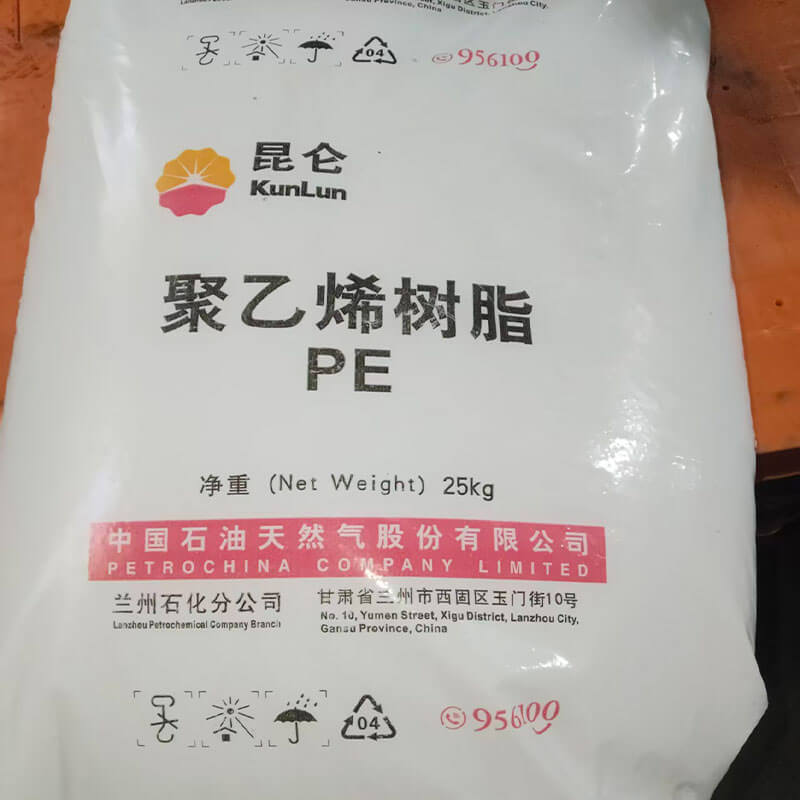
    Packing Polyethylene PE is supplied in 25 kg woven polypropylene bags with a moisture-proof inner liner for safe storage and transport.
    Container Loading (20′ FCL) 20' FCL: Polyethylene PE loaded as palletized jumbo bags, tightly secured, maximizing space and ensuring safe transport.
    Shipping Polyethylene (PE) is shipped as non-hazardous plastic pellets or granules in sealed bags, super sacks, or bulk hopper trucks/railcars. Protect from moisture and contamination. Store away from heat or direct sunlight. No special dangerous-goods labeling required, though proper handling prevents static buildup and dust.
    Storage Store polyethylene (PE) in a cool, dry, well-ventilated area away from direct sunlight, heat, and open flames. Keep containers sealed to prevent contamination and moisture absorption. Avoid contact with strong oxidizers. Use proper grounding and bonding to minimize static electricity. No special hazardous storage required under normal conditions.
    Shelf Life Polyethylene (PE) has an indefinite shelf life when stored properly, protected from UV light, heat, and oxidizing agents.
    Application of Polyethylene PE

    Blown Film Bubble Stability and Draw Resonance Thresholds

    Extruder configuration for LDPE and LLDPE blown film lines commonly uses a barrier-type single screw with a length-to-diameter ratio of 24:1 to 30:1 and a screen pack of 60/80/100 mesh, feeding a spiral mandrel die with a die gap of 1.8 mm to 2.5 mm. The melt temperature at the die lip is maintained between 180 °C and 230 °C depending on the LLDPE comonomer type; hexene- and octene-based LLDPE tolerate higher shear rates than butene-based LLDPE before the onset of sharkskin melt fracture. Bubble diameter is controlled through a blow-up ratio of 2.0:1 to 3.5:1, and frost line height is adjusted to 4 to 9 die diameters to stabilise the transition from melt to solid film. Draw resonance and bubble sway are observed when the BUR exceeds 4.0:1 or when the frost line is raised beyond 10 die diameters, producing gauge bands that deviate by more than ±8 % from mean thickness. Tensile properties are evaluated according to ISO 527-3:2018 or ASTM D882-18, puncture resistance by ASTM D1709 falling dart, and tear propagation by ISO 6383-2 or ASTM D1922; haze is measured under ISO 14782 or ASTM D1003-21. LLDPE-rich blends above 70 wt% routinely require internal bubble cooling or a higher stalk height to avoid blocking on the collapsing frame.

    Typical values obtained on 50 µm films are shown in the following comparison.

    Comparative blown film properties across PE density ranges
    ParameterLDPE film gradeLLDPE hexene film gradeHDPE bimodal film grade
    Density0.9180.925 g/cm³0.9150.925 g/cm³0.9450.955 g/cm³
    Melt flow rate, 190 °C/2.16 kg0.32.0 g/10 min0.52.0 g/10 min0.040.15 g/10 min
    Dart impact, ASTM D1709100350 g200850 g150400 g
    Haze, ASTM D1003512 %620 %3070 %
    Tensile at break, ISO 527-32035 MPa2545 MPa3045 MPa

    Terminal film products include heavy-duty sacks, agricultural greenhouse film, and collation shrink film; each end use shifts the required balance between dart impact, tear propagation, and haze. Food-contact film grades additionally require compliance with FDA 21 CFR 177.1520 and EU No 10/2011, with overall migration tested according to the EN 1186 series. On production-scale lines, die lip deposit formation accelerates when the lubricant package exceeds 800 ppm equivalent of erucamide, reducing bubble stability and requiring die cleaning after 72 h to 120 h of continuous operation.

    Across closure moulding operations, a melt flow rate in the 2 g/10 min to 8 g/10 min range is specified for high-density polyethylene when measured under ASTM D1238-20 at 190 °C with a 2.16 kg load; lower-MFR grades are reserved for large-diameter caps requiring high ESCR, while higher-MFR grades are used for thin-wall lids with flow length exceeding 150 mm. The material is processed on hydraulic or electric injection moulding machines with general-purpose screws of 20:1 to 24:1 L/D, melt temperatures of 200 °C to 240 °C, and mould temperatures of 10 °C to 35 °C; clamp force requirements for multi-cavity closure moulds range from 150 t to 500 t depending on projected area and gate design. Mould shrinkage is determined according to ISO 294-4:2018, with typical values of 1.5 % to 2.5 % in the flow direction and 0.8 % to 1.5 % transverse, leading to ovality when cooling channels are not balanced. Gate blush and sink marks appear at the pin gate when the hold pressure is released before the seal time, producing a surface depression of 0.03 mm to 0.1 mm that is unacceptable on tamper-evident bands. Stress cracking resistance is measured according to ASTM D1693-15 using 10 % Igepal CO-630 at 50 °C, with closure formulations commonly exceeding 100 h without failure; compounded scrap levels above 20 wt% reduce this time substantially. Virgin PE does not require pre-drying when stored indoors below 60 % RH, but surface condensation on regrind stored outdoors generates splay and must be removed by drying at 70 °C for 2 h to 3 h before processing. Food-contact closures require compliance with FDA 21 CFR 177.1520 and EU No 10/2011, with specific migration limits for non-volatile substances below the detection thresholds set in the regulation.

    What Limits Slow Crack Growth in HDPE Pressure Pipe Extrusion?

    HDPE pressure pipe extrusion is constrained by the need to retain a minimum required strength of 10.0 MPa at 20 °C for 50 years in PE100 grades classified under ISO 12162:2009, while North American PE4710 grades are specified under ASTM D3350-21 with a hydrostatic design basis of 6.9 MPa at 23 °C established through ASTM D2837. The extruder typically uses a grooved-feed single screw with a length-to-diameter ratio of 30:1 to 36:1 and a barrier section, feeding a spiral or basket pipe die at melt temperatures of 200 °C to 230 °C; line speeds for diameter 110 mm SDR 11 pipe are often limited to 1.5 m/min to 3.5 m/min by cooling capacity rather than extruder output. Vacuum calibration is applied at −0.2 bar to −0.6 bar gauge, followed by staged water cooling at 20 °C to 60 °C to reduce residual stress. Slow crack growth is governed by the pipe's resistance to brittle fracture under long-term internal pressure, as assessed by ISO 9080:2012, ISO 13479:2009 notched pipe testing, and ASTM D2837 hydrostatic design basis calculations. Failure in the field occurs almost exclusively at point loads, scratches, or poor butt-fusion beads; butt fusion is performed under ISO 21307 with a bead width of 8 mm to 12 mm for wall thicknesses above 10 mm, and electrofusion couplers are installed with fusion times supplied by the coupler manufacturer. Oilfield and gas distribution lines additionally require ISO 4437-2 or EN 1555-2 conformance. Sag becomes measurable on large-diameter pipe above 710 mm when the melt strength is insufficient, producing wall thickness asymmetry greater than 3 %; this is corrected by using bimodal HDPE with high low-shear melt strength.

    Rotomoulding Cycles Expose the Part to Long Oven Residence and Slow Cooling.

    In rotational moulding, powders are dry-blended with pigment and UV stabiliser masterbatches and ground to a particle size where no more than 10 % is retained on a 35 mesh sieve, because larger particles increase melt coalescence time and surface porosity. The mould is charged with a shot weight calculated for a nominal wall thickness of 3 mm to 6 mm, then heated in a forced-air oven at 280 °C to 320 °C with biaxial rotation speeds of 4 rpm to 12 rpm on the major axis and 8 rpm to 24 rpm on the minor axis. Peak internal air temperature is monitored rather than oven temperature; target values of 180 °C to 200 °C indicate complete densification in LLDPE rotomoulding grades, while short-term peaks above 220 °C cause polymer degradation at the mould surface, visible as yellowing and impact loss. Cooling is conducted with forced air followed by water mist or full water spray; cooling rates above 15 °C/min increase warpage and tensile strength but reduce impact strength, whereas slower cooling below 5 °C/min improves toughness at the expense of longer cycle time. Density and impact properties are verified under ASTM D1505 and ASTM D256; ESCR is measured under ASTM D1693-15. Tank applications for upright storage require compliance with ASTM D1998, and chemical storage tanks are qualified by immersion testing in the service fluid rather than from generic PE properties. Production-scale failure modes include pinhole formation at knit lines when powder moisture exceeds 0.05 wt% or when mould release agents accumulate in recessed lettering, producing surface defects that are detected only after demoulding.

    When high-molecular-weight HDPE is processed into containers exceeding 5 L, parison programming becomes essential because the parison sag over a 300 mm to 600 mm free length changes the wall thickness distribution by 25 % to 50 % before mould closing. Extrusion blow moulding machines for dairy, household chemical, and industrial packaging typically use a grooved or smooth-bore extruder with an L/D of 24:1 to 30:1, melt temperatures of 180 °C to 220 °C, and a diverging or converging die head with die gap 0.8 mm to 1.8 mm. Die swell of HDPE can increase parison diameter by 30 % to 70 % depending on shear history, making container weight control dependent on steady extruder output and temperature uniformity. Pinch-off welds at the mould parting line are tested by drop impact according to ASTM D2463 at −20 °C to 23 °C; acceptable industrial containers show no brittle fracture from heights of 1.2 m when filled with water. ESCR is specified for detergent and bleach bottles because the service environment produces stress concentrations around the handle and base; ASTM D1693-15 values above 100 h are common for copolymers formulated with 1 % to 2 % comonomer. Food-grade blow moulded containers require FDA 21 CFR 177.1520, EU No 10/2011, and organoleptic testing; UN-certified dangerous goods containers are additionally qualified under UN 1H1 drop and stacking tests. Regrind addition up to 30 wt% is accepted for non-food applications if the regrind is not thermally degraded; higher levels increase gel counts in the parison and reduce pinch-off toughness.

    When Crosslinkable PE Replaces PVC in Low-Voltage Cable Jacketing

    Low-voltage cable jacket production with crosslinkable polyethylene requires precise thermal profiling, because the peroxide used in chemically crosslinked systems decomposes at approximately 140 °C and scorch risk escalates above 150 °C. The jacket compound is applied on a single-screw extruder with a length-to-diameter ratio of 20:1 to 25:1 using a pressure or semi-pressure tooling die, with barrel zones held below 120 °C and head temperatures maintained between 130 °C and 150 °C; crosslinking is completed downstream in a continuous vulcanisation tube at steam pressures of 1.0 MPa to 2.0 MPa or in an inert gas oven at 200 °C to 250 °C. Silane-crosslinked XLPE is processed at higher temperatures because grafting and moisture curing occur after extrusion, reducing the immediate scorch problem but requiring a post-extrusion water bath at 80 °C to 95 °C for 12 h to 24 h depending on wall thickness. The compound is evaluated under IEC 60502-1:2021 for rated voltages up to 1 kV, ASTM D1248 for material classification, and cable tests under UL 2556 where applicable. Carbon black masterbatch at 2.5 wt% equivalent loading is incorporated for UV stabilisation; dispersion is checked by preparing thin sections and counting agglomerates above 0.02 mm. Screen pack pressure rise is recorded during extrusion; increases beyond 20 bar above the start-up value indicate gel accumulation from premature crosslinking or insufficient dispersion of the peroxide masterbatch. Formulations using peroxide crosslinking are incompatible with amine-based antioxidants and certain hindered amine light stabilisers, which scavenge the free radicals required for gel formation; gel content below 70 % under ASTM D2765 indicates incomplete crosslinking and is cause for rejection.

    Geomembrane Seam Oxidative Induction Time as a Site Acceptance Criterion

    During HDPE geomembrane sheet production, flat-die extrusion or blown-film calendering produces thicknesses of 1.0 mm to 3.0 mm, with texturing applied by nitrogen gas injection or embossing to improve slope friction. The sheet is formulated with 2 % to 3 % carbon black and stabiliser packages to withstand decades of exposure in municipal solid waste and mining heap leach pads. Minimum specifications are commonly based on GRI-GM13; thickness assurance follows ASTM D5199, density ASTM D1505, tensile properties ASTM D6693, and stress cracking resistance ASTM D5397. A typical specification requires notched constant tensile load failure times above 500 h at 50 °C. Oxidative induction time under ASTM D3895 is used as a site acceptance criterion for seam welding, with minimum OIT of 100 min at 200 °C for the sheet and a reduction below 50 % of the parent sheet value indicating local thermal damage from welding. Wedge welding and extrusion welding are performed according to the geomembrane manufacturer's published parameters; seam peel and shear tests are conducted on-site with portable tensiometers under ASTM D6392. Field failures often originate at scratches from subgrade or at seam junctions where the welding speed exceeds the melt flow capacity of the sheet, producing a continuous channel rather than a fused mass. The finished installation is tested by vacuum box or air lance for leaks; a pressure drop exceeding 0.25 bar over 30 s indicates a defective seam in air-channel testing.

    Related Articles
    Free Quote

    Competitive Polyethylene PE prices that fit your budget—flexible terms and customized quotes for every order.

    For samples, pricing, or more information, please contact us at +8618136850665 or mail to sales4@ascent-chem.com.

    We will respond to you as soon as possible.

    Tel: +8618136850665

    Email: sales4@ascent-chem.com

    Inquiry

    Get Free Quote of PetroChina Lanzhou Petrochemical Company

    Flexible payment, competitive price, premium service - Inquire now!

    Certification & Compliance
    More Introduction

    Polyethylene PE is a semicrystalline polyolefin produced by the polymerization of ethylene. Commercial polymerization routes span high-pressure tubular and autoclave processes for low-density grades and low-pressure catalytic gas-phase, slurry, and solution processes for linear grades. The density range across commercial PE spans 0.910–0.967 g/cm³, corresponding to short-chain branch content and crystallinity values between roughly 40% and 80%. Molding and extrusion resins are specified under ASTM D4976-14 and ISO 17855-1:2022, while pipe compounds carry additional designations under ASTM D3350 and ISO 12162. Grade identifiers in technical data sheets typically combine catalyst type, density, melt flow rate, and additive package rather than a single brand-specific model number; examples include LDPE film grades, LLDPE hexene or octene copolymers, bimodal HDPE pipe grades, and UHMWPE grades with molecular weights above 3.1 million g/mol. The selected PE class therefore follows the fabrication route and the dominant load: film grade selection prioritizes bubble stability and tear resistance, pipe grade selection prioritizes slow crack growth resistance, injection molding grade selection prioritizes flow length and shrinkage control, and rotational molding grade selection prioritizes powder flow and densification.

    How Is Polyethylene Grade Selection Governed by Density and Melt Flow Ratio?

    Density is measured by ASTM D792-20 or ISO 1183-1:2019; melt flow rate is determined at 190 °C under a 2.16 kg load using ASTM D1238-20 or ISO 1133-1:2022. A high-load value at 21.6 kg divided by the 2.16 kg value gives the melt flow ratio, which is used as an indirect indicator of molecular weight distribution and shear response. Extrusion pipe grades typically carry a 2.16 kg MFR below 0.10 g/10 min, while thin-wall injection molding grades usually lie between 4 g/10 min and 25 g/10 min. Blown film grades tend to remain in the 0.2–2.0 g/10 min range because higher melt strength is required to stabilize the bubble; rotational molding powders cluster between 3 g/10 min and 6 g/10 min. The density-MFR combination does not fully capture melt rheology, so single-screw extrusion trials typically include head pressure and melt temperature profiles recorded at screw speeds between 40 rpm and 120 rpm on machines with L/D ratios of 24:1 to 30:1.

    PE classDensity range (g/cm³)Tensile yield strength (MPa) by ASTM D638-14MFR range at 2.16 kg (g/10 min)Primary processing routesPrincipal specification references
    LDPE0.910–0.9256–130.2–70blown film, extrusion coating, injection moldingASTM D4976-14, ISO 17855-1:2022
    LLDPE0.916–0.94010–250.5–30blown film, rotational moldingASTM D4976-14, ISO 17855-1:2022
    HDPE0.941–0.96720–320.03–25pipe, blow molding, injection moldingASTM D4976-14, ASTM D3350
    UHMWPE0.925–0.94517–24not applicable; intrinsic viscosity >20 dL/g by ISO 1628-3ram extrusion, compression moldingISO 1628-3, ASTM D638-14

    High-Density Polyethylene Pipe Resins and the PE 100–PE 4710 Distinction

    Pressure pipe resin classification is based on long-term hydrostatic strength extrapolation under ISO 9080. A PE 100 material has a minimum required strength of 10.0 MPa at 20 °C for 50 years; a PE 80 material has a corresponding value of 8.0 MPa. In North American practice, ASTM D3350 cell classification identifies a PE 4710 compound through density, melt index, flexural modulus, tensile strength, slow crack growth resistance, and hydrostatic design basis cells. Slow crack growth is measured by the Pennsylvania edge-notch tensile test, ASTM F1473, and pipe-grade formulations are designed to exceed thousands of hours under specific stress levels. Processing on commercial pipe extrusion lines uses single-screw extruders with L/D ratios of 25:1 to 30:1, barrier screws, and melt temperatures between 200 °C and 230 °C. The key limitation of standard PE pipe grades is not chemical inertness but long-term creep resistance at elevated temperature; pressure ratings are established at 20 °C, and service above this temperature requires derating coefficients specific to the pipe system and fluid. Pre-drying is not required, but moisture condensation on wet pellets can generate surface defects in thick-wall pipe.

    In rotational molding operations, LLDPE or HDPE powders are required to flow into deep mold cavities and densify against the mold wall without producing pinholing. Powder characterization follows ASTM D1895 for apparent density and sieve analysis; typical rotomolding grades pass a 35 mesh screen (500 µm) and retain a controlled fraction above 80 mesh (180 µm). Oven temperatures are routinely set between 260 °C and 370 °C depending on part thickness and mold geometry, with biaxial rotation ratios near 4:1. The process window is sensitive to peak internal air temperature; if the internal air temperature does not remain high enough for complete sintering, voids form and low-temperature drop impact fails. Cooling rate is equally decisive because fast cooling increases warpage and internal stress. Polyethylene is non-hygroscopic and water absorption is below 0.01% per ASTM D570-98, so drying is generally unnecessary, but surface contamination from external handling can cause porosity at the powder-mold interface.

    High-speed injection molding of high-density polyethylene closures and thin-wall containers operates within a narrow melt-solidification boundary. Melt temperatures are commonly held at 190–230 °C, mold temperatures at 10–30 °C, and injection pressures between 60–110 MPa for multi-cavity cold-runner molds. The preferred MFR range of 4–25 g/10 min balances fill pressure against environmental stress cracking resistance; grades with very high MFR typically exhibit reduced resistance to stress cracking in surfactant-containing media. Shrinkage measured by ASTM D955-08 ranges from 1.5% to 3.0% for HDPE and is anisotropic, producing warpage when wall thickness variation exceeds 25% or when gate freeze-off is uneven across the cavity. Food-contact formulations must comply with FDA 21 CFR 177.1520 and, in the European Union, Regulation (EU) No 10/2011. The major processing incompatibility is not moisture but excessive mold temperature nonuniformity, which drives differential shrinkage and dimensional nonconformance.

    When Ethylene-α-Olefin Copolymers Are Substituted for LDPE in Blown Film

    Substitution of LDPE by linear low-density polyethylene in blown film is driven by downgauging and puncture resistance but changes the extrusion rheology. LLDPE grades typically contain 1-butene, 1-hexene, or 1-octene and have densities between 0.916 g/cm³ and 0.925 g/cm³ with MFR values from 0.2 g/10 min to 2.0 g/10 min. Melt strength is lower than LDPE at the same MFR, so screw design and die geometry must be adjusted. Film dies with gaps of 1.0–2.5 mm are used to control melt fracture, and blow-up ratios are usually held between 2.0 and 3.0; bubble instability increases above 3.0 unless air-ring controls are recalibrated. Comparative film performance is established by dart impact per ASTM D1709, Elmendorf tear per ASTM D1922, and tensile properties per ASTM D882. LLDPE typically shows higher tear propagation resistance and higher elongation at break than LDPE at equivalent thickness, whereas LDPE provides higher clarity and simpler bubble stability on unmodified extrusion lines. The trade-off is therefore between toughness and processability, and the choice is dictated by equipment capability rather than by resin price alone.

    Unlike conventional HDPE, ultrahigh-molecular-weight polyethylene cannot be processed by standard melt extrusion or injection molding because the melt viscosity is too high for practical flow. UHMWPE grades are characterized by molecular weights above 3.1 million g/mol and intrinsic viscosities above 20 dL/g measured by ISO 1628-3; melt flow rate testing under ASTM D1238-20 is not meaningful. Tensile yield strength under ASTM D638-14 ranges from 17 MPa to 24 MPa, elongation at break exceeds 300%, and notched Izod impact by ASTM D256 often reports no break. Ram extrusion and compression molding are the principal conversion routes, producing wear strips, chain guides, dump liners, and bearing stock. Compression molding cycles at 190–220 °C require long hold times and high pressure to achieve full consolidation; oxidative degradation during processing is controlled by limiting oxygen exposure and using stabilizer packages. The limiting operational boundary is low thermal conductivity and high melt viscosity, which makes thick-section consolidation nonuniform if pressure is removed before the core reaches the required temperature. Published wear-rate data for this material are test-method dependent; comparison across suppliers is valid only when the same sliding velocity, counterface roughness, and contact pressure are reported.

    Comparative Property Boundaries Among PE, PP, PVC, and PET

    Polyethylene is differentiated from polypropylene, unplasticized PVC, and PET by density, modulus, barrier behavior, and drying requirements. The data in Table 2 are typical published ranges and do not replace grade-specific datasheets. In structural injection moldings, PP homopolymer provides flexural modulus values of 1000–1700 MPa; HDPE typically spans 800–1200 MPa, while LDPE remains below 300 MPa. PVC-U is specified when higher modulus and inherent flammability control are required, but its density of 1.30–1.45 g/cm³ increases part mass and it requires heat stabilizers. PET provides higher clarity and gas barrier but demands predrying to 0.005% moisture or less to prevent hydrolytic degradation; PE does not require drying. PE and PP are both non-hygroscopic and have better low-temperature impact than PVC-U, with PE generally retaining toughness at lower temperatures than PP as measured by notched Izod impact ASTM D256. In chemical exposure, PE resists most aqueous acids, alkalis, and polar solvents at ambient temperature, but aromatic and chlorinated hydrocarbons cause swelling and stress cracking. For caps and closures, PP is often selected when integral hinge fatigue is controlling, whereas PE is specified when low-temperature snap engagement and a softer sealing surface are required.

    PropertyPEPPPVC-UPET
    Density (g/cm³)0.910–0.9670.895–0.9201.30–1.451.33–1.40
    Flexural modulus (MPa)150–12001000–17002400–30002800–3500
    Water absorption (%) per ASTM D570-98≤0.01≤0.030.1–0.50.1–0.2
    Drying requirementNone for standard processingNone for standard processingNot required if dry blend is ventedRequired to <0.005% moisture
    Limiting property or riskEnvironmental stress cracking, UV degradationLow-temperature impact, oxidative degradation at melt temperaturesHCl evolution and thermal degradationHydrolytic degradation, higher density